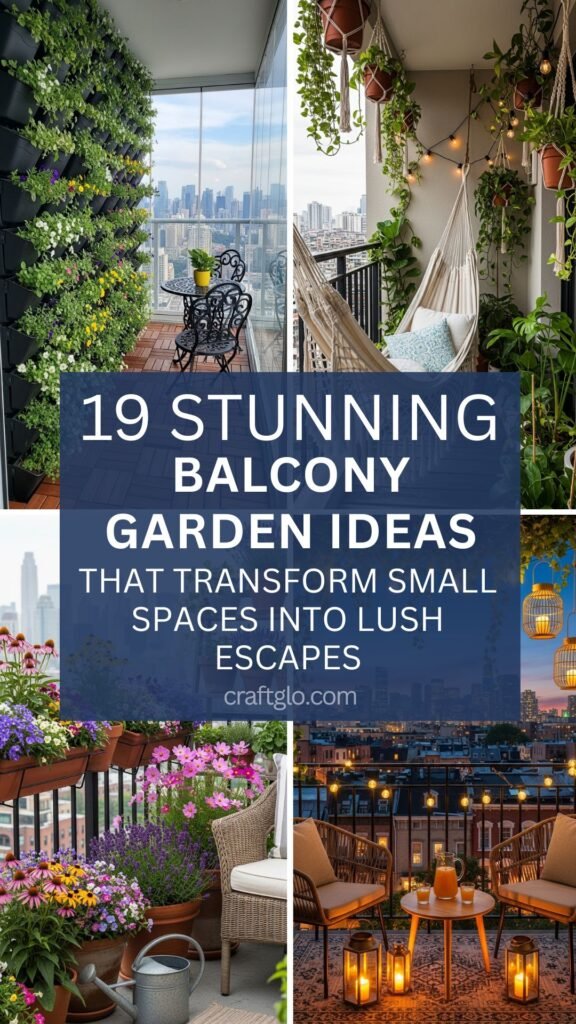
Living in an apartment often means trading sprawling backyards for compact concrete squares. But a lack of ground doesn’t mean you can’t grow a thriving oasis. You might feel limited by square footage, strict strata rules, or tricky lighting conditions. We understand the frustration of staring at a gray, empty balcony and wishing for greenery.
This guide delivers 19 specific, high-impact balcony garden ideas designed for 2026. We focus on vertical solutions, lightweight materials, and drought-tolerant plant choices that maximize every inch of your outdoor area. Whether you have a shady north-facing nook or a scorching sunny ledge, these strategies will turn your unused space into a productive, relaxing retreat.
Key Takeaways
- Verticality is Key: Use walls and railings to triple your planting area without sacrificing floor space.
- Weight Matters: Choose lightweight fiberglass or fabric pots to stay within safe structural load limits.
- Microclimates Rule: Identify wind tunnels and sun traps before buying plants to prevent waste.
- Edible & Ornamental: Mix herbs and vegetables with flowers for a garden that looks good and feeds you.
- Privacy Screens: Tall plants like bamboo or trellised vines create instant seclusion from neighbors.
Table of Contents
- Create a lush wall of vertical planters with cascading greenery and flowers
- Hang a mini herb garden using mason jars along your balcony railing
- Transform crates into stacked vegetable beds for fresh balcony harvests
- Install a hammock surrounded by trailing balcony plants and fairy lights
- Use colorfully painted pots for a whimsical small balcony garden display
- Decorate with boho cushions and potted ferns for a cozy green escape
- Grow cherry tomatoes and peppers in hanging baskets for urban farming flair
- Add a foldable bistro set with petite potted succulents and herbs
- Set up a small balcony trellis for climbing beans and morning glories
- Arrange a fragrant lavender and rosemary border for sensory relaxation
- Style a compact jungle corner with layered tropical balcony plants
- Design a zen-inspired balcony with bamboo, pebbles, and bonsai trees
- Place tiered wooden shelves for a compact balcony container garden
- Create a pollinator paradise with balcony flower pots full of wildflowers
- Hang recycled rainboots as quirky planters for balcony gardening fun
- Line your railing with strawberry planters for sweet edible décor
- Craft a palette garden with lettuce, kale, and spinach for urban greens
- Set up a tiny balcony greenhouse with clear containers and mini veggies
- Decorate with lanterns and lush balcony hanging plants for magical evenings
- Popular Asked Questions
- Conclusion
Create a lush wall of vertical planters with cascading greenery and flowers
Vertical gardening solves the primary issue of urban living: limited floor space. Installing a wall of planters draws the eye upward, making a cramped balcony feel like a spacious atrium. You can use felt pocket systems, rigid plastic modular panels, or simple DIY wooden frames. The visual texture of cascading plants like pothos, ivy, or petunias softens harsh concrete walls and provides an instant connection to nature. This approach also improves air circulation around your plants, reducing fungal issues common in tight corners.
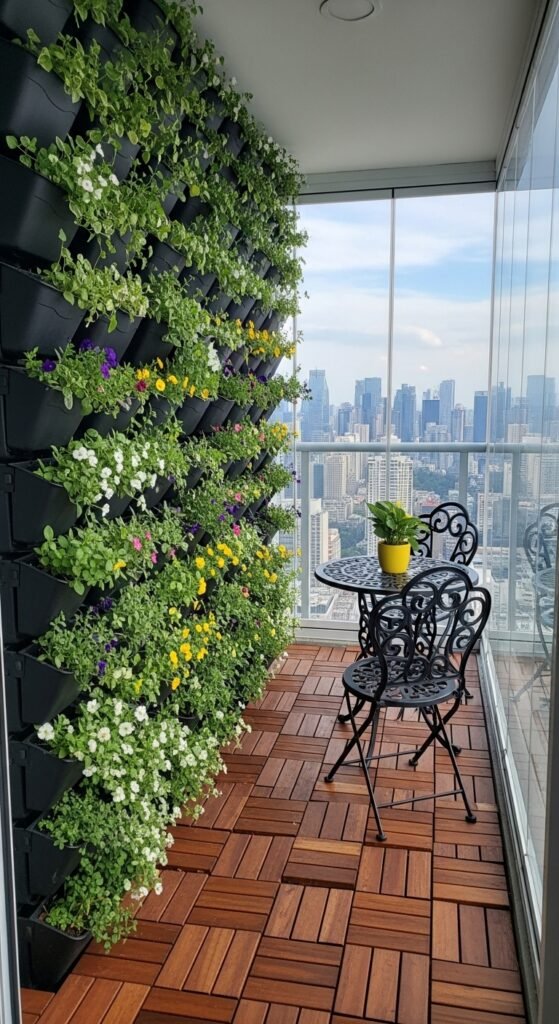
Choose a system that includes a moisture barrier to protect your wall from water damage. Felt pockets are excellent for breathability but dry out faster, so they work best with drought-resistant species or automatic drip irrigation. Rigid plastic systems often have built-in reservoirs, making them heavier but lower maintenance. Group plants with similar light and water needs together on the wall. Ferns and calatheas thrive in lower pockets where it is shadier and cooler, while sun-loving trailers like sweet potato vine do better at the top.
Pro Tip: Add water-retaining crystals to your potting mix to reduce watering frequency for high-up pockets that are hard to reach.
Save this idea to your Pinterest.
Hang a mini herb garden using mason jars along your balcony railing
Mason jars offer a charming, rustic aesthetic that contrasts beautifully with modern metal balcony railings. This method turns your railing into a functional spice rack. Clear glass allows you to see the soil moisture levels instantly, preventing the common mistake of overwatering. The transparency also lets sunlight reach the roots, so you must be careful with algae growth. Painting the jars or slipping them into small burlap sacks can solve this while maintaining the farmhouse look.
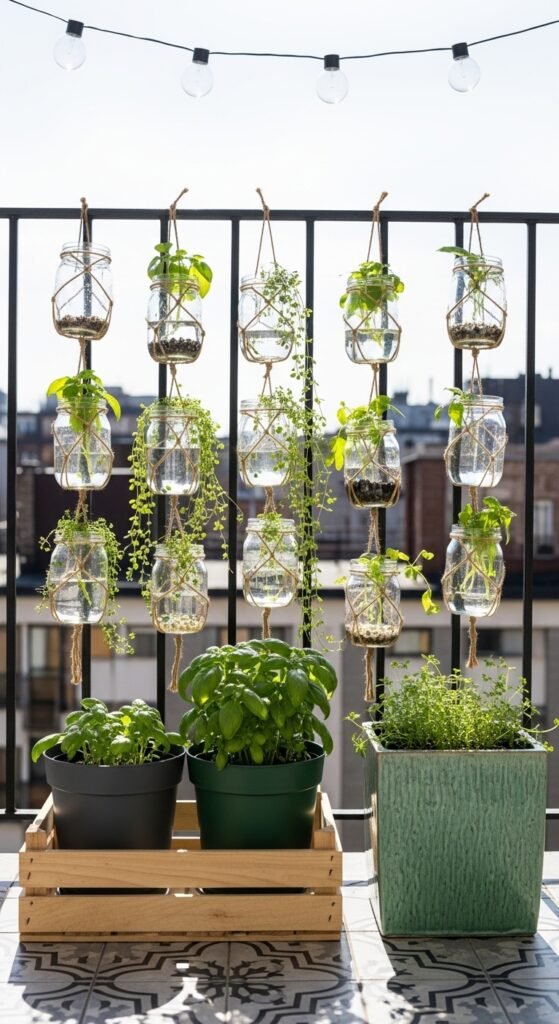
Secure the jars using pipe clamps or specialized wire hangers designed for railings. This setup is perfect for woody herbs like thyme, oregano, and rosemary which don’t require deep root space. Place a layer of gravel or activated charcoal at the bottom of each jar since they lack drainage holes. This “false bottom” creates a reservoir for excess water to sit away from the roots. Position the jars on the inside of the railing to protect them from strong winds and to keep them easily accessible for your evening cooking.
Pro Tip: Tilt the jars slightly downward if they are exposed to rain to prevent them from filling up and drowning the plants.
Transform crates into stacked vegetable beds for fresh balcony harvests
Wooden crates are versatile, affordable, and modular. You can stack them to create raised beds of varying heights, adding depth and dimension to a flat balcony floor. The rustic wood grain brings warmth to the space, countering the cold feel of tile or concrete. Lining the crates with landscape fabric keeps the soil contained while allowing excess water to drain freely. This method is ideal for renters as the entire garden can be disassembled and moved easily.
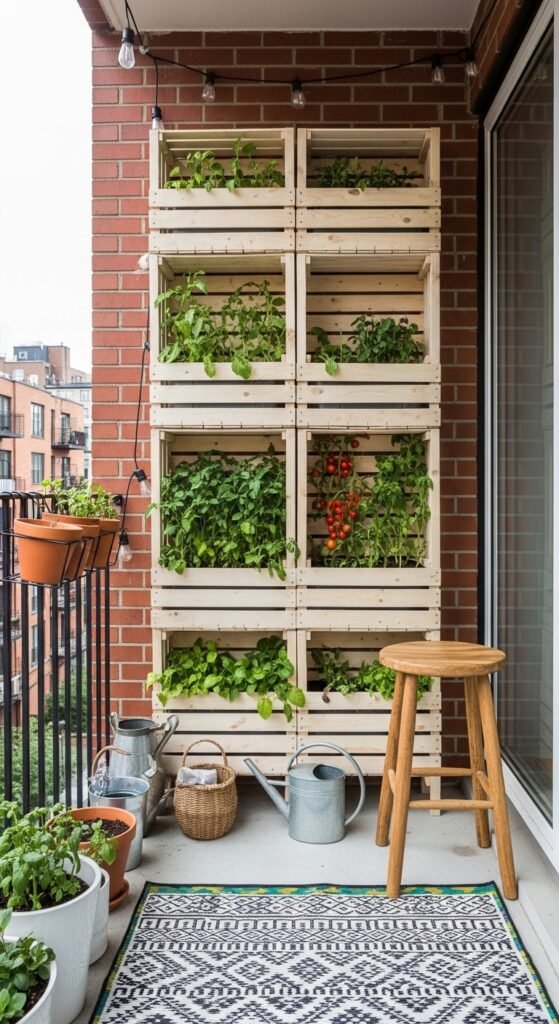
Deep crates are perfect for root vegetables like carrots, radishes, and beets which need vertical soil depth. Shallower crates on top can host lettuces, spinach, and arugula. Arrange the crates in a stair-step pattern to ensure the bottom plants are not shaded by the top ones. This tiered arrangement maximizes sun exposure for all crops. You can even attach wheels to the bottom crate, allowing you to rotate the entire stack to follow the sun or move it out of the way when you have guests.
Pro Tip: Treat the wood with a non-toxic, food-safe sealant like raw linseed oil to prevent rot and extend the life of your crates.
Save this idea to your Pinterest.
Install a hammock surrounded by trailing balcony plants and fairy lights
A balcony should be a place of rest. A hammock introduces a relaxed, bohemian vibe that invites you to unplug. Surrounded by trailing plants like string of pearls, burro’s tail, or English ivy, the hammock becomes a floating island of calm. The plants act as a green curtain, providing privacy from neighbors and filtering the city noise. Fairy lights woven through the foliage or draped along the hammock stand create a magical atmosphere after sunset, extending the usability of your balcony into the night.
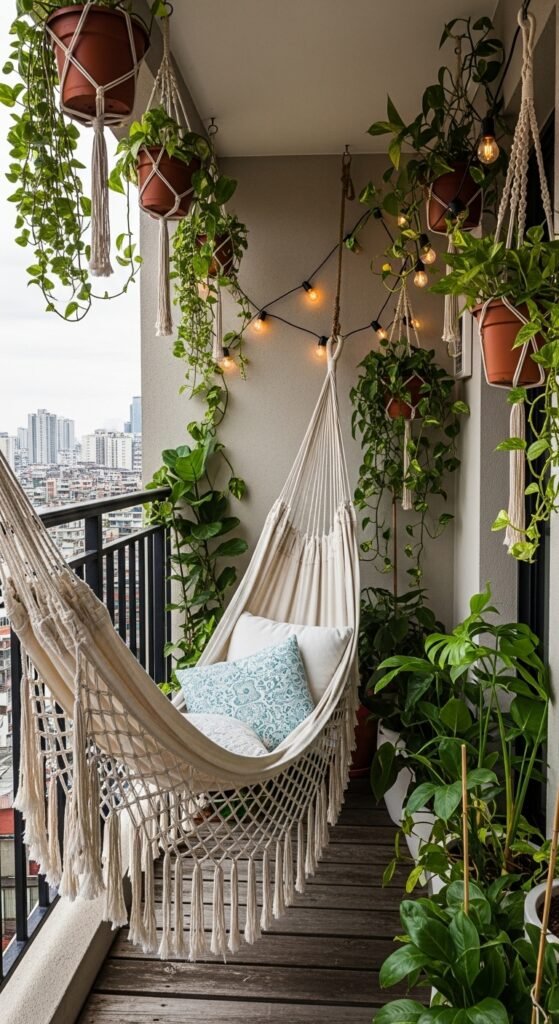
If you cannot drill into walls, use a freestanding hammock stand. These take up more floor space but offer flexibility. Choose a stand with a small footprint or one that folds away. Position the trailing plants in hanging baskets above the hammock or on high shelves nearby. As the vines grow long, they will gently brush against the fabric, enhancing the sensory experience of being immersed in nature. Soft, warm-white LED lights are best for a cozy ambiance that mimics the glow of fireflies.
Pro Tip: Choose a hammock made of weather-resistant fabric like Sunbrella to prevent mold and fading from UV exposure.
Use colorfully painted pots for a whimsical small balcony garden display
Standard terracotta pots are functional but can look monotonous. Painting your pots introduces a burst of personal style and color therapy to your balcony. Bright yellows, teals, and corals can make a small space feel vibrant and energetic, even on cloudy days. You can color-code your pots by plant type—herbs in green pots, flowers in pink, veggies in orange—or create a cohesive gradient effect. The paint also adds a layer of protection to porous terracotta, helping the soil retain moisture longer in hot weather.
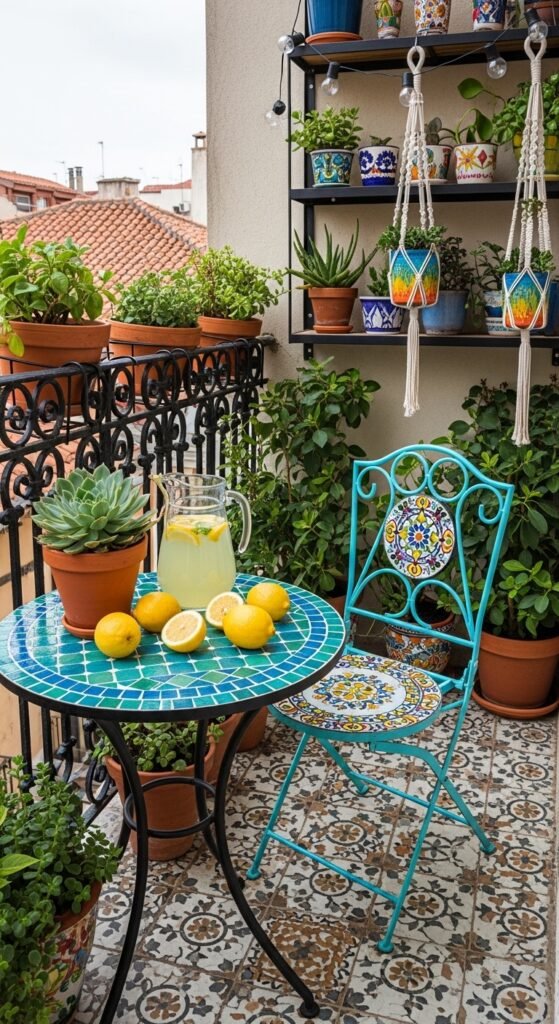
Use acrylic craft paints for the best color range and seal them with a clear, outdoor-grade varnish. This prevents the paint from bubbling or peeling when the pot gets wet. Don’t paint the inside of the pot; keeping the interior porous allows the soil to breathe. Grouping pots of different sizes and colors creates a curated, gallery-like effect. This “cluster” technique also helps raise humidity around the plants, creating a beneficial microclimate for tropical species.
Pro Tip: Elevate your painted pots on “pot feet” or bricks to prevent the paint on the bottom rim from chipping due to standing water.
Save this idea to your Pinterest.
Decorate with boho cushions and potted ferns for a cozy green escape
The boho aesthetic is defined by comfort, texture, and organic elements. Floor cushions are a brilliant seating solution for small balconies because they require zero permanent footprint and can be stacked in a corner when not in use. Pair these with lush, feathery ferns like Boston ferns or Maidenhair ferns. The soft texture of the fern fronds complements the fabric of the cushions, creating a tactile environment that feels softer than a typical outdoor patio.
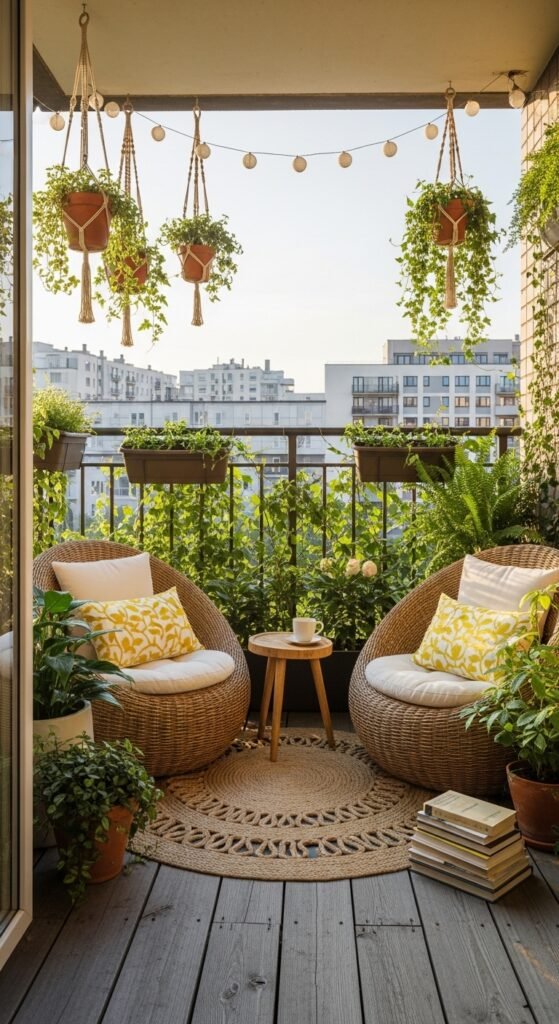
Ferns thrive in the dappled shade often found on covered balconies. They love humidity, so grouping them near your seating area creates a fresh, cool zone. Use woven baskets or rattan plant stands to hold the ferns, reinforcing the natural, bohemian theme. Layer rugs on the floor to cover cold concrete and define the “living” area. Mix patterns and earthy tones like rust, ochre, and sage green to build a warm, inviting palette.
Pro Tip: Mist your ferns daily or place them on pebble trays filled with water to keep their fronds green and prevent crispy edges.
Grow cherry tomatoes and peppers in hanging baskets for urban farming flair
Edible gardening is not restricted to the ground. Cherry tomatoes and chili peppers are excellent candidates for hanging baskets. Varieties like ‘Tumbler’ tomatoes or ‘Basket of Fire’ peppers are bred specifically to cascade downwards. This method keeps the fruit off the ground, reducing rot and pest damage from slugs or soil-borne diseases. It also utilizes the sunniest part of your balcony—the top half—which often gets more light than the floor.
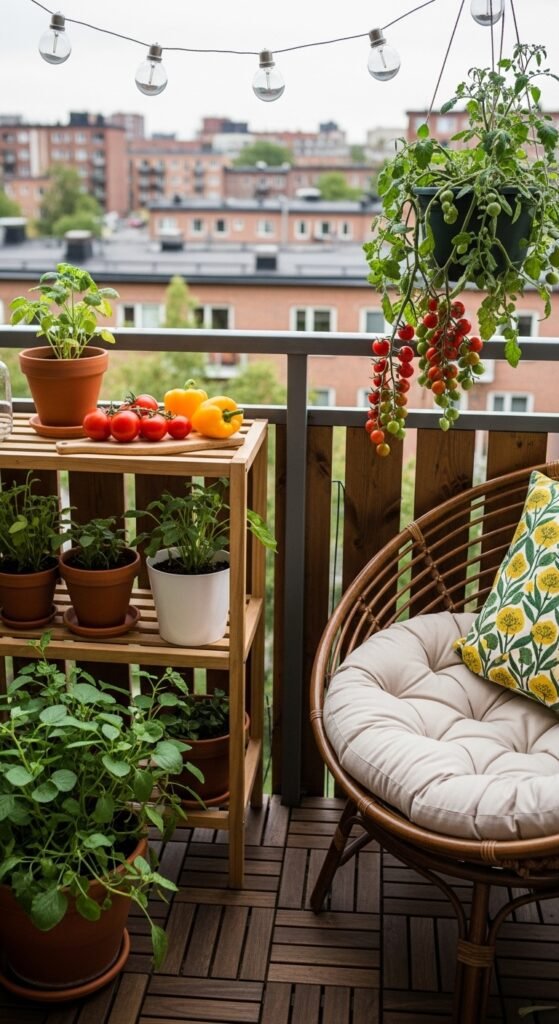
Hanging baskets dry out quickly due to wind and air exposure on all sides. You must be diligent with watering, often twice a day in peak summer. Use a high-quality potting mix with added compost and slow-release fertilizer, as these productive plants are heavy feeders. The visual appeal of red and orange fruits dangling at eye level adds a pop of color that rivals any ornamental flower. Plus, snacking on a sun-warm tomato right off the vine is a luxury few urbanites get to enjoy.
Pro Tip: Rotate your hanging basket 90 degrees every few days to ensure all sides of the plant receive equal sunlight for even ripening.
Save this idea to your Pinterest.
Add a foldable bistro set with petite potted succulents and herbs
A bistro set is the classic choice for balcony dining. Its small scale fits perfectly in tight corners, and the ability to fold the table and chairs allows you to reclaim space for yoga or other activities. Metal or wooden bistro sets have a timeless, Parisian café appeal. To keep the table functional for dining, avoid large centerpieces. Instead, use petite pots of succulents or small herbs like thyme and chives. These low-profile plants add greenery without blocking the view or taking up valuable table surface.
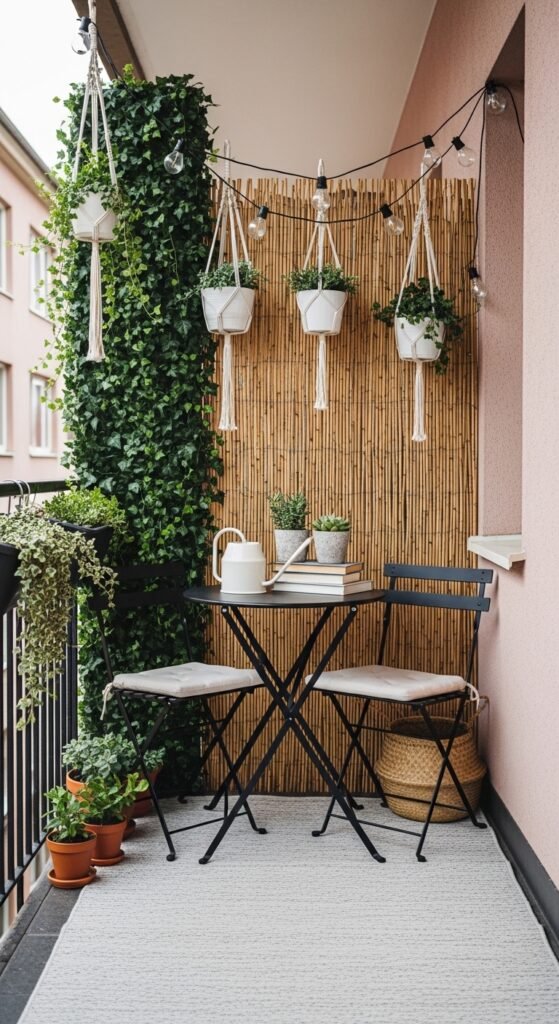
Succulents are ideal here because they are tidy, drop few leaves, and require very little water. You won’t have to worry about muddy water leaking onto your breakfast table. Choose interesting shapes like Echeveria or Haworthia for visual interest. If you prefer herbs, a small pot of basil smells divine when brushed against during a meal. Keep the pots in a small tray so you can move the entire arrangement in one go when you need the full table.
Pro Tip: Look for “nesting” bistro sets where the chairs slide completely under the table to minimize the footprint when not in use.
Set up a small balcony trellis for climbing beans and morning glories
A trellis serves a dual purpose: it supports vertical plant growth and acts as a privacy screen. Climbing beans (runner beans) and morning glories are fast growers that can cover a trellis in a matter of weeks. The large leaves of the beans provide dense shade and screening, while the morning glory flowers add a daily splash of color. This vertical wall of green absorbs sound and blocks unsightly views, making your balcony feel more secluded.
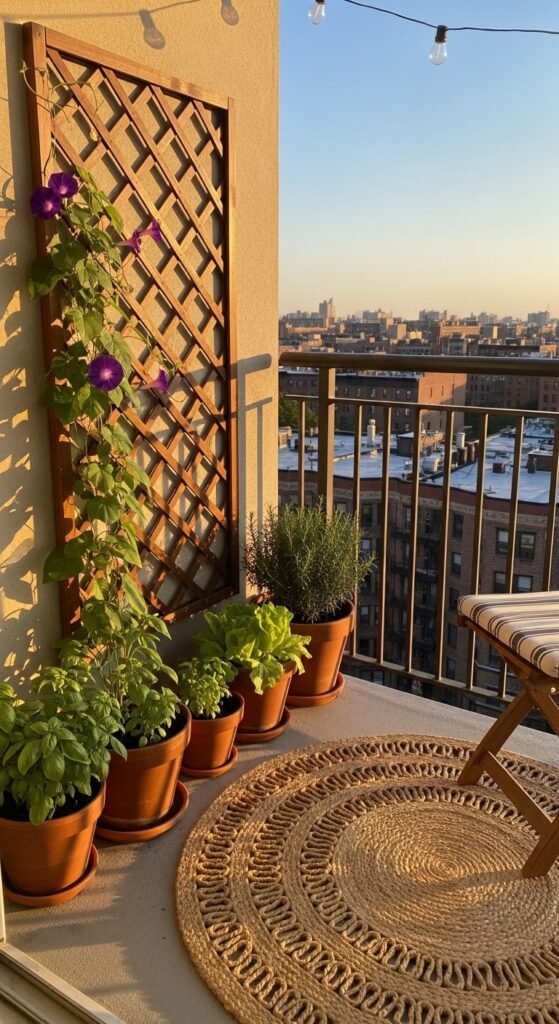
You can attach a trellis to a large rectangular planter box. This provides enough soil volume for the extensive root systems of climbers. Secure the trellis to the railing or wall if possible to prevent it from acting like a sail in high winds. Mixing edibles like beans with ornamentals like morning glories attracts pollinators, which increases your bean harvest. The beans also fix nitrogen in the soil, helping to feed the flowers sharing the pot.
Pro Tip: Soak your bean and morning glory seeds in water for 24 hours before planting to speed up germination.
Save this idea to your Pinterest.
Arrange a fragrant lavender and rosemary border for sensory relaxation
Scent is a powerful tool in garden design. A border of lavender and rosemary creates a sensory barrier that can mask city smells like exhaust or trash. These Mediterranean herbs are incredibly tough; they love full sun, tolerate wind, and prefer their soil to dry out between waterings. Their needle-like foliage minimizes water loss, making them perfect for hot, exposed balconies.
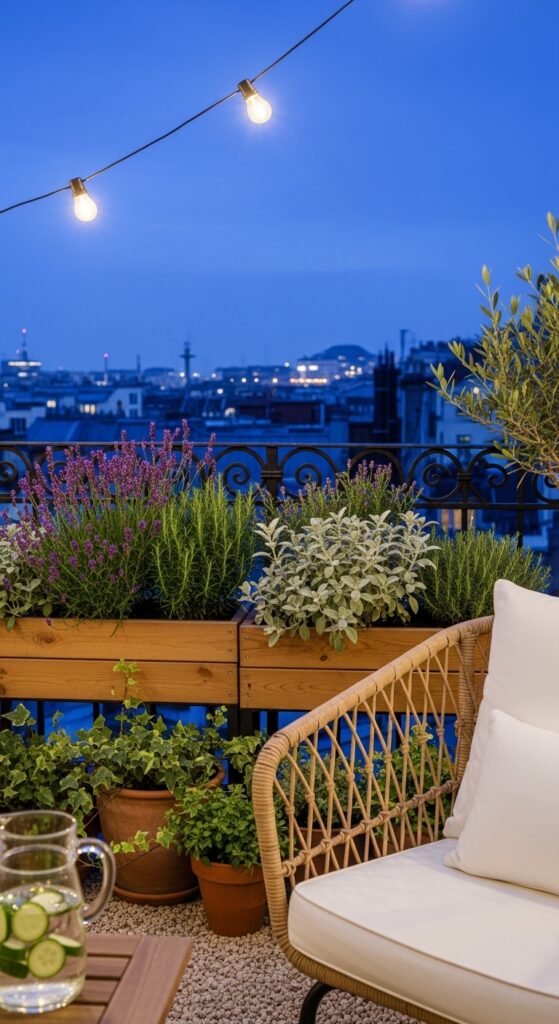
Plant them in rectangular troughs along the perimeter of your balcony or railing. As the wind blows through the foliage, it releases essential oils, filling your home with a calming fragrance. The purple spikes of lavender and the blue flowers of rosemary also attract bees and butterflies, bringing life and movement to your space. Both herbs are edible and can be harvested for cooking, tea, or homemade potpourri.
Pro Tip: Add grit or perlite to your potting mix to ensure sharp drainage. Lavender hates “wet feet” and will rot in soggy soil.
Get The Look: Balcony Essentials
- Long-Spout Watering Can: Reach high hanging baskets and dense corners without spilling.
- Snips/Pruning Shears: Keep plants tidy and harvest herbs easily.
- Kneeling Pad: Save your knees when working on floor-level pots.
- Moisture Meter: The most accurate way to know when to water.
Style a compact jungle corner with layered tropical balcony plants
The “urban jungle” look is about abundance and layering. Dedicate one corner of your balcony to creating a dense canopy of foliage. Start with tall, architectural plants like a Bird of Paradise or a large Monstera in the back. Place medium-sized plants like Philodendrons or Alocasia in front, and finish with low ground covers or trailing vines. This layering mimics a natural rainforest and creates a humid microclimate that helps these tropical plants thrive.
Vary the leaf textures and shapes. Mix the broad, shiny leaves of a Rubber Tree with the delicate, feathery fronds of a Palm. Use plant stands of different heights to create the vertical layers. This style works best in shaded or semi-shaded balconies where direct sun won’t scorch the delicate tropical leaves. The density of the plants creates a cool, dark retreat that feels miles away from the city heat.
Pro Tip: Wipe the leaves of your tropical plants with a damp cloth weekly to remove city dust and allow them to photosynthesize efficiently.
Save this idea to your Pinterest.
Design a zen-inspired balcony with bamboo, pebbles, and bonsai trees
A Zen garden focuses on minimalism, balance, and tranquility. Bamboo is the star here; it grows straight and tall, providing excellent privacy with a small footprint. Choose “clumping” bamboo varieties specifically for pots to avoid aggressive root growth. Pair the bamboo with a few carefully selected bonsai trees or a shaped Juniper. The gnarled, ancient look of a bonsai contrasts beautifully with the sleek, modern lines of bamboo.
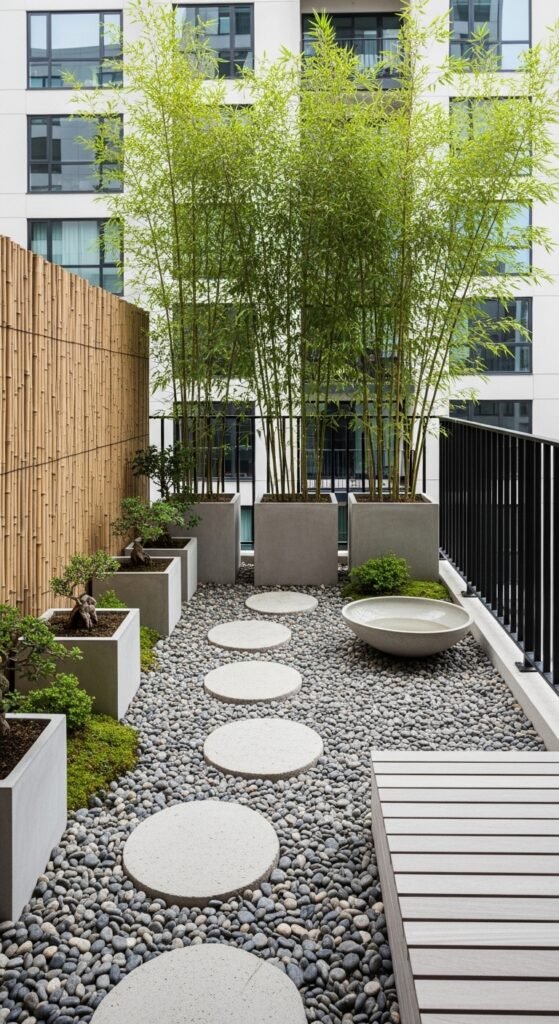
Cover the soil surface of your pots with white or grey river pebbles. You can also create a small “dry river” effect on the balcony floor using smooth stones. This not only looks clean and elegant but also prevents soil from splashing up during watering. Keep the color palette restrained—mostly greens, browns, and greys—to maintain a calming visual noise. A small water feature, like a bamboo spout pouring into a stone bowl, adds the soothing sound of trickling water.
Pro Tip: Bamboo sheds leaves frequently. Keep a small broom handy to maintain the pristine, manicured look of your Zen space.
Place tiered wooden shelves for a compact balcony container garden
Tiered shelving is the ultimate space-saver for hoarders of small plants. A ladder-style shelf or a dedicated plant stand allows you to display dozens of small pots in the footprint of just one. This is perfect for collections of succulents, cacti, or African violets. Wooden shelves add warmth and a natural feel, blending seamlessly with terracotta or ceramic pots.
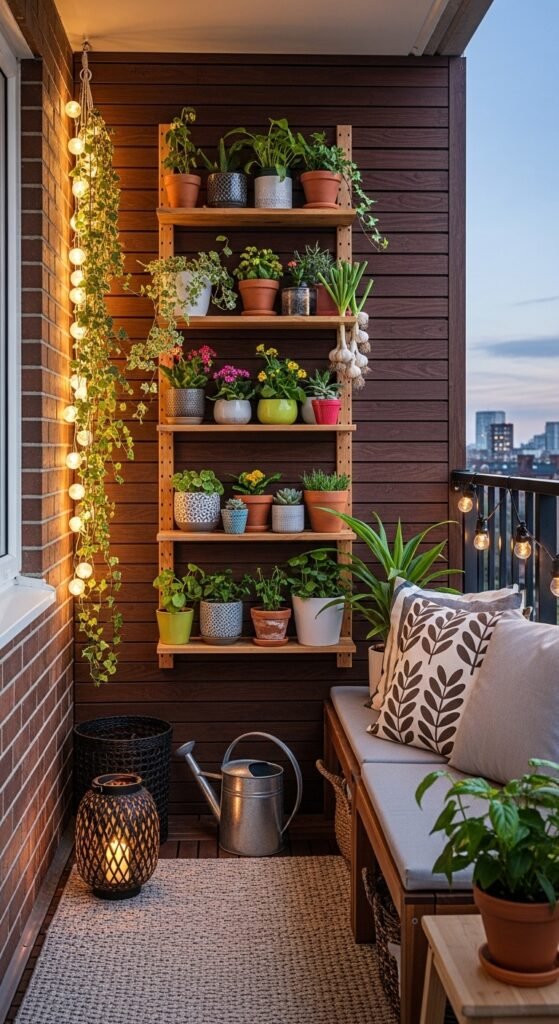
Organize your plants by light requirement. Place sun-lovers on the top shelves and shade-tolerant plants on the lower rungs. This setup creates a “green wall” effect without mounting anything to the building structure, making it renter-friendly. It also makes watering easier, as you can tend to many plants in one spot. Ensure the shelves are sturdy and balanced; you may need to anchor the unit to the wall or weigh down the bottom shelf with heavy pots to prevent tipping in high winds.
Pro Tip: Use saucers under every pot on the shelf to prevent water from dripping down onto the plants (or furniture) below.
Save this idea to your Pinterest.
Create a pollinator paradise with balcony flower pots full of wildflowers
Even a 10th-floor balcony can support local wildlife. Planting a mix of native wildflowers creates a crucial pitstop for bees, butterflies, and hoverflies navigating the concrete jungle. Wildflowers are generally low-maintenance and adapted to your local climate. They often prefer poor soil and neglect, making them easy for beginners.
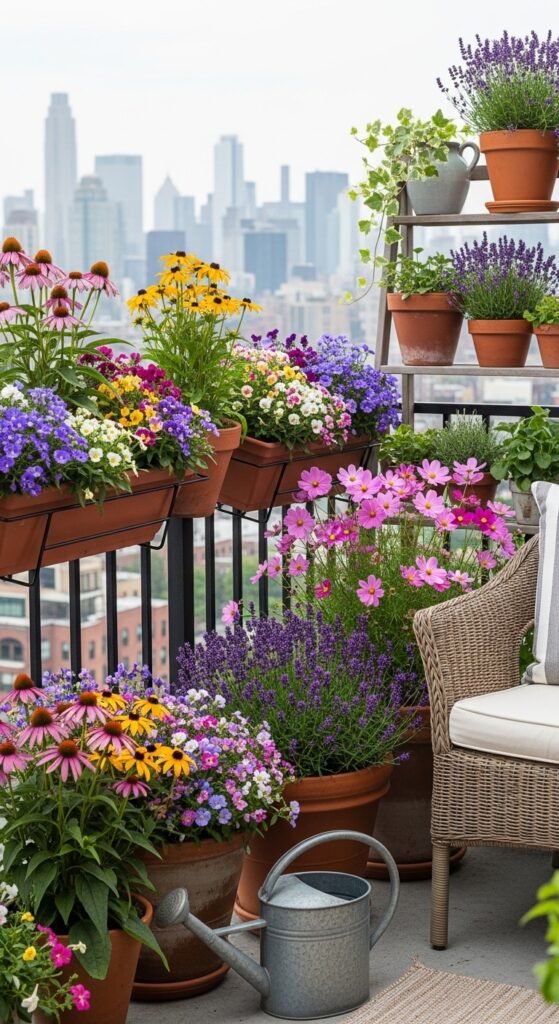
Choose a “pollinator mix” of seeds that includes cosmos, cornflowers, zinnias, and marigolds. These flowers have open shapes that make nectar easily accessible. Grouping the pots together creates a large block of color that is easier for insects to spot from a distance. Avoid double-petaled hybrid flowers, which often lack pollen or nectar. The constant buzz of life and the vibrant, chaotic colors of a wildflower patch bring a joyful, untamed energy to a sterile balcony.
Pro Tip: Deadhead (remove) faded flowers regularly to encourage the plants to produce more blooms throughout the season.
Hang recycled rainboots as quirky planters for balcony gardening fun
Gardening should be fun and expressive. Upcycling old rainboots into planters adds a playful, quirky touch that sparks conversation. The bright colors and patterns of kids’ rainboots look adorable hanging from a railing or sitting on a step. This is a fantastic project to do with children to get them interested in growing food or flowers.
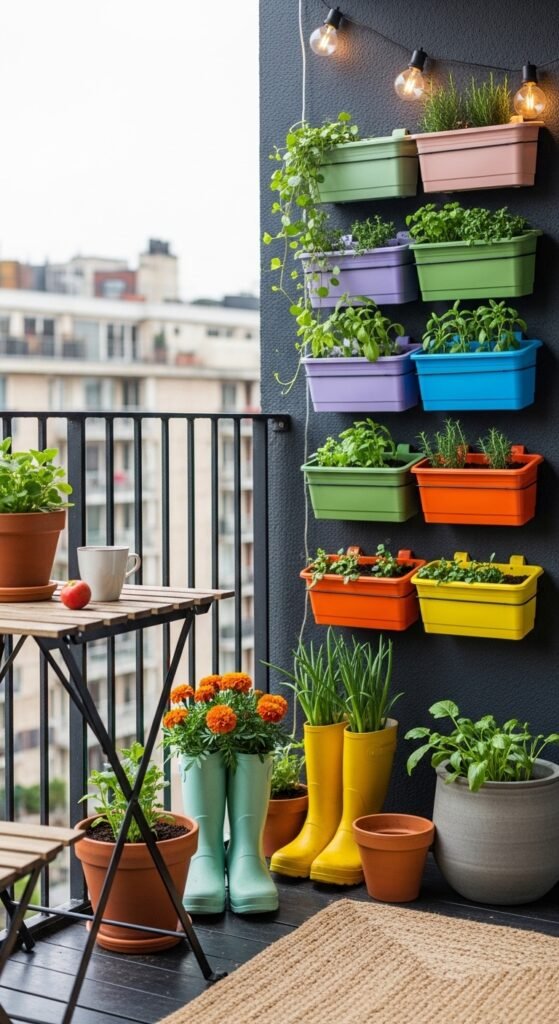
Drill several drainage holes in the sole of each boot. Fill the toe area with gravel for weight and drainage, then fill the leg with potting soil. Boots are deep enough for plants with longer roots. Try planting trailing strawberries, which look like they are “spilling” out of the boot, or upright flowers like tulips for a “bouquet in a boot” look. Hang them in pairs using S-hooks over a railing or nail them to a wooden pallet wall.
Pro Tip: If the boots are rubber, keep them out of intense direct sun, which can degrade the material and heat up the roots too much.
Save this idea to your Pinterest.
Quick Guide: Sun Mapping Your Balcony
Before buying plants, track the sun for one day.
- Morning (8 AM – 11 AM): Cool, gentle light. Good for ferns, leafy greens, begonias.
- Midday (11 AM – 3 PM): Intense, hot light. Needs succulents, peppers, geraniums, lavender.
- Afternoon (3 PM – Sunset): Warm but less harsh than midday. Good for most veggies and flowers.
- Shadows: Note where railings cast shadows. These are “micro-shade” spots for delicate plants.
Line your railing with strawberry planters for sweet edible décor
Strawberries are the perfect balcony crop. They are compact, perennial (they come back every year), and have shallow roots suitable for troughs. Lining your railing with strawberry planters creates a “edible hedge.” The white or pink flowers in spring are pretty, followed by the bright red fruit in early summer.
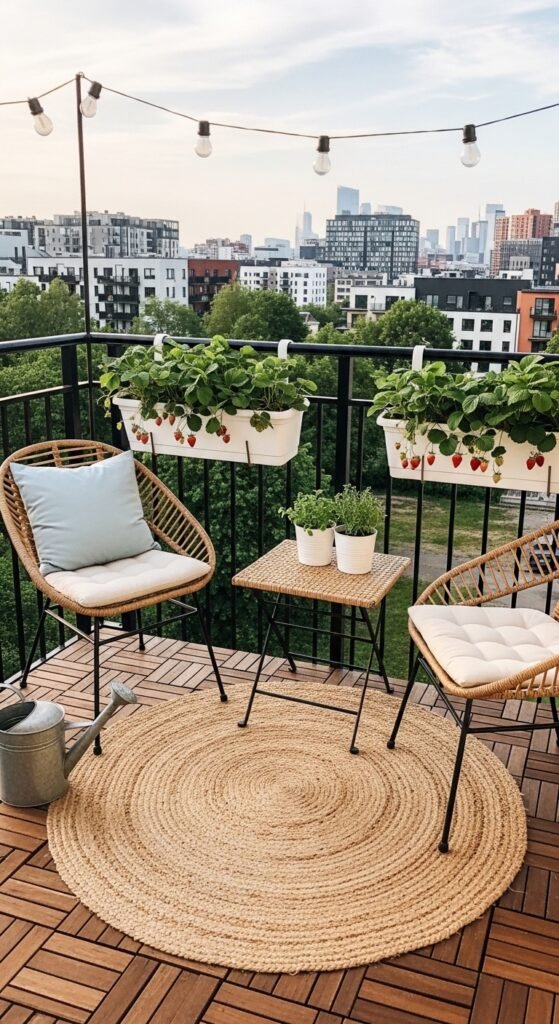
Use “saddle” planters that sit securely over the railing. These maximize space and keep the fruit hanging in the air, away from soil pests. Choose “everbearing” or “day-neutral” varieties like ‘Albion’ or ‘Seascape’ to get a steady harvest from June to frost, rather than one big crop in June. Strawberries need consistent moisture to produce juicy fruit, so check them daily. The railing location ensures they get the full sun they need to sweeten up.
Pro Tip: Netting might be necessary if you notice birds stealing your berries before you can pick them.
Craft a palette garden with lettuce, kale, and spinach for urban greens
Wooden shipping pallets are a free or cheap resource that can be converted into a vertical salad bar. Standing a pallet on its edge creates horizontal slots that are perfect for shallow-rooted greens like lettuce, spinach, kale, and arugula. This structure has a tiny footprint but offers huge planting surface area.
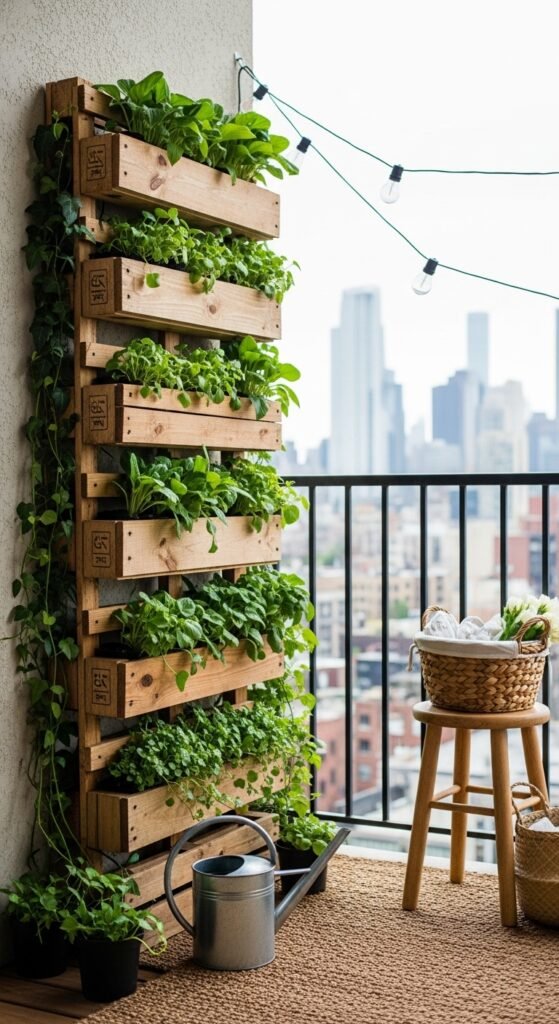
Staple landscape fabric to the back and bottom of the pallet to hold the soil in. Pack the soil tightly into the slats and plant your greens. You can plant the top opening with taller herbs or flowers. As the greens grow, they will fluff out and cover the wood, creating a living wall of food. This “cut-and-come-again” garden allows you to harvest fresh leaves for dinner every night for months.
Pro Tip: Sand down rough edges and check for the “HT” (Heat Treated) stamp on the pallet to ensure it wasn’t treated with toxic chemicals.
Save this idea to your Pinterest.
Set up a tiny balcony greenhouse with clear containers and mini veggies
A mini greenhouse extends your growing season, allowing you to start seeds early in spring and harvest late into autumn. On a balcony, a small, tiered plastic greenhouse protects plants from strong winds and traps heat. This is essential for heat-loving crops like basil, peppers, and eggplants in cooler climates.
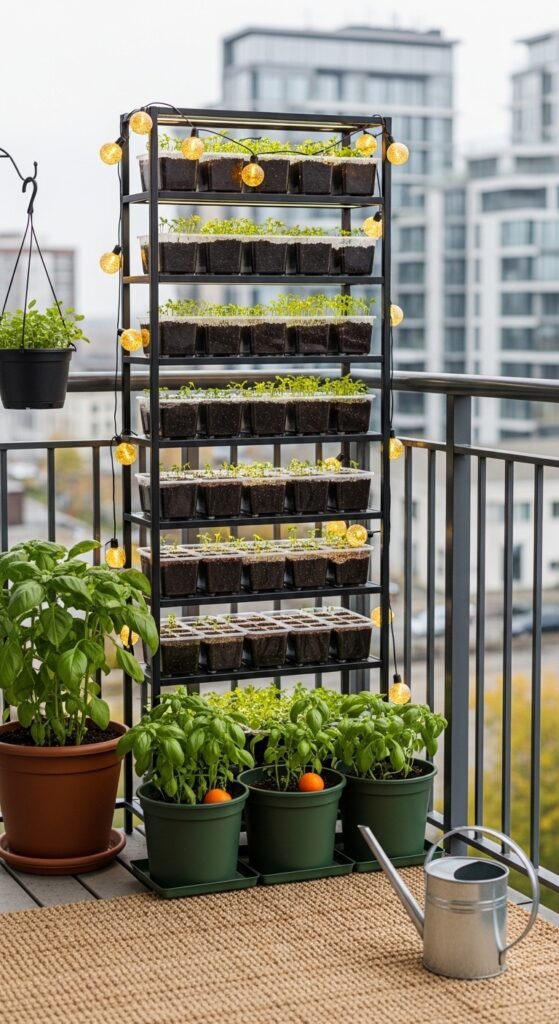
Inside, use clear plastic containers or recycled produce clamshells as mini-propagators. The humidity inside the greenhouse creates a tropical environment. You can grow “mini” vegetable varieties like ‘Tom Thumb’ lettuce, ‘Fairy Tale’ eggplants, or ‘Micro Tom’ tomatoes. These plants are genetically dwarfed and thrive in the confined space. The greenhouse also acts as a physical barrier against larger pests like pigeons or squirrels.
Pro Tip: You must unzip the greenhouse door on sunny days. Even in cold weather, the internal temperature can spike and cook your plants if not ventilated.
Decorate with lanterns and lush balcony hanging plants for magical evenings
Your balcony garden changes character completely at night. Lighting is the final element that turns a garden into a living room. Lanterns—whether Moroccan metal style, classic glass, or woven solar types—add a warm, inviting glow. Place them on the floor among the pots to cast dramatic upward shadows on your plants.
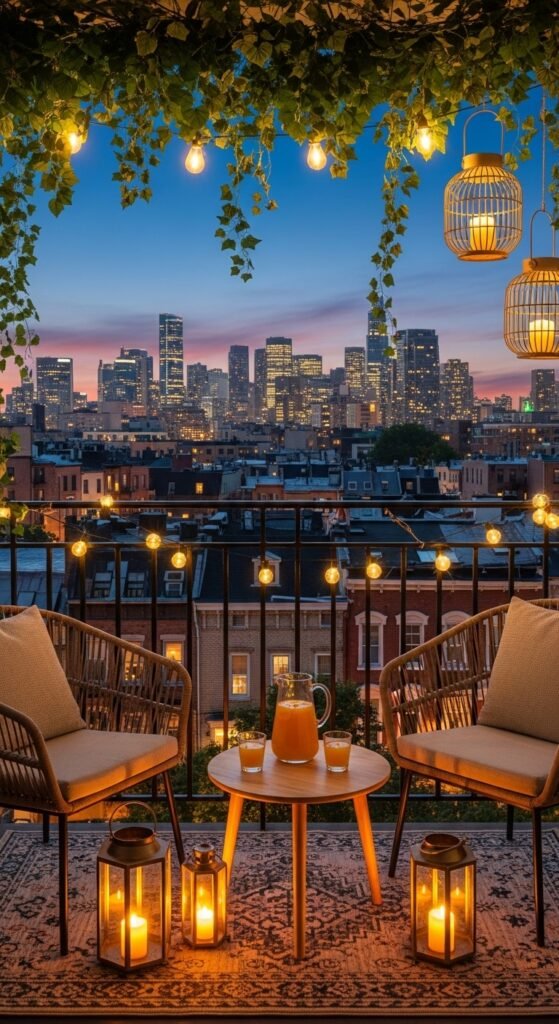
Combine this with hanging plants like fuchsias or trailing begonias. Hang lanterns at the same height as your hanging baskets to illuminate the flowers. Solar-powered lanterns are the easiest choice as they require no wiring and turn on automatically at dusk. The soft light reflecting off the leaves creates a cozy, intimate atmosphere perfect for a glass of wine or reading a book.
Pro Tip: Choose “warm white” (2700K-3000K) bulbs. Cool white or blue-toned light can feel harsh and clinical in a garden setting.
Save this idea to your Pinterest.
Popular Asked Questions
What are the most common balcony gardening mistakes?
The biggest mistake is ignoring weight limits. Wet soil and heavy ceramic pots can be dangerous for cantilevered balconies. Always check your building’s load capacity. Another common error is underestimating the wind. Wind dries out plants very fast and can knock over tall pots. Use heavy, wide-bottomed pots or secure them to railings. Finally, many people forget about drainage. If water drips onto your neighbor’s balcony below, you will get complaints. Always use saucers.
How do I maximize space on a small balcony?
Think vertical. Use the walls for hanging planters, shelves, or trellises. Use the railing for saddle planters or hanging jars. Choose furniture that folds away or has built-in storage. “Nesting” tables or stools can be tucked under each other. Also, look for “columnar” trees and plants that grow straight up rather than wide out.
What plants are best for a windy balcony?
You need plants with flexible stems that bend rather than break, or low-growing plants that hug the pot. Ornamental grasses (like Festuca or Pennisetum) are excellent because they are designed to move with the wind. Tough Mediterranean herbs like rosemary, thyme, and lavender are also wind-resistant. Avoid plants with large, fragile leaves like bananas or big begonias, as the wind will shred them.
Can you grow vegetables on a balcony?
Absolutely. Most vegetables have “dwarf” or “bush” varieties bred for pots. You can grow cherry tomatoes, chili peppers, salad greens, radishes, bush beans, and even small carrots. The key is sun. Most veggies need 6-8 hours of direct sun. If you have a shady balcony, stick to leafy greens like spinach, kale, and lettuce, or herbs like mint and parsley.
How to handle watering on a balcony without leaking below?
You must use saucers or trays under every single pot. Plastic saucers are cheap and effective. For hanging baskets, you can buy “drip-free” baskets with internal reservoirs. Another trick is to water slowly. If you dump water in fast, it rushes through the soil and overflows. Pour a little, wait for it to soak in, and then pour more. This ensures the soil absorbs the water rather than just channeling it out the bottom.
Conclusion
Transforming a small balcony into a lush garden is one of the most rewarding home projects you can undertake. It reclaims lost space, improves your mental health, and can even provide fresh food. By focusing on vertical space, choosing the right plants for your light conditions, and adding cozy touches like lighting and textiles, you can create a private sanctuary in the middle of the city.
Which of these ideas will you try first to green up your space? Let us know in the comments below!
Follow us on Pinterest for more balcony garden ideas inspiration.