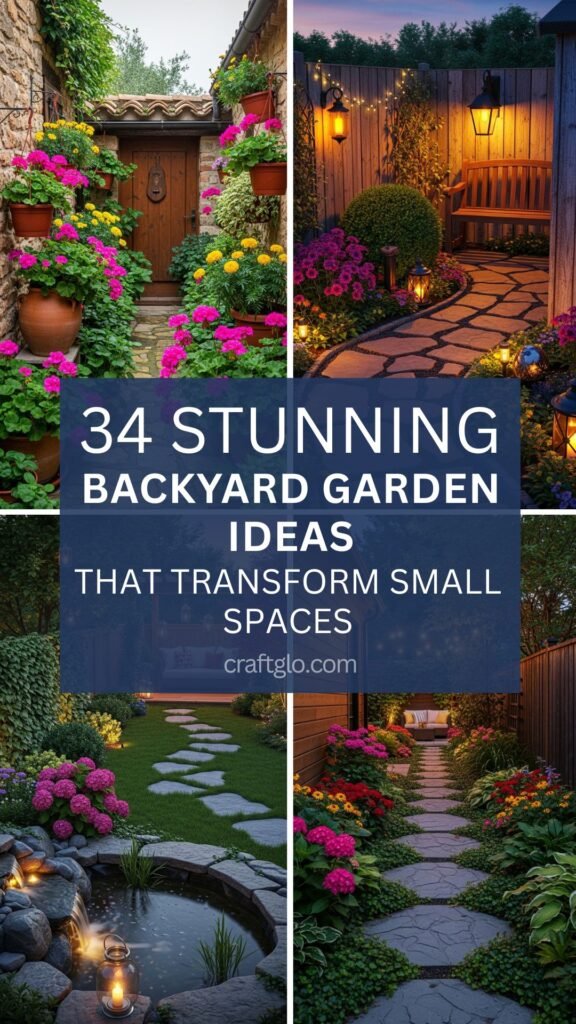
Designing a backyard garden that feels like a personal oasis does not require acres of land or a professional landscaping budget. In fact, the most captivating outdoor spaces often emerge from creative constraints, where small square footage forces innovative design choices. Whether you are working with a narrow urban strip, a concrete courtyard, or a modest suburban lawn, the potential to create a lush, functional retreat is limitless.
Current trends in garden design are shifting away from high-maintenance manicured lawns toward biodiversity, vertical planting, and multi-functional “outdoor rooms.” You might feel overwhelmed by where to start, fearing that a beautiful garden requires a green thumb or expensive contractors. This guide eliminates that uncertainty. We have curated a massive list of 34 actionable, high-impact backyard garden ideas that solve common problems like privacy, limited space, and poor soil. From vertical herb walls to cozy fire pit corners, these concepts will help you reclaim your outdoor area and turn it into your favorite room of the house.
Key Takeaways
- Verticality is Key: In small spaces, growing upwards with trellises and hanging planters doubles your planting area without sacrificing floor space.
- Zoning Creates Depth: Dividing a small yard into distinct “rooms” (dining, lounging, planting) makes the area feel significantly larger than it actually is.
- Lighting Transforms Ambiance: Inexpensive solar string lights or pathway markers can extend the usability of your garden well into the evening.
- Container Gardening Offers Flexibility: Potted plants allow you to rearrange your garden layout seasonally and overcome poor soil conditions.
- Multi-Functionality: Furniture with storage and dual-purpose structures are essential for maximizing utility in compact backyards.
Table of Contents
- Vertical Garden for a Touch of Green
- Potted Plant Clusters
- Raised Garden Beds
- Fairy Garden Corners
- Hanging Planters
- Compact Water Features
- Outdoor String Lights
- Pallet Herb Garden
- Small Tree with Underplanting
- Corner Seating Area
- Garden Mirrors
- Pathway with Pebbles
- Garden Bench with Storage
- Mini Vegetable Patch
- Outdoor Rug for Defined Spaces
- Ladder Plant Stand
- Colorful Flower Border
- DIY Fire Pit Zone
- Cozy Hammock Nook
- Gravel Garden Ground Cover
- Trellis Privacy Screen
- Succulent Rock Garden
- Bistro Dining Set
- Upcycled Tire Planters
- Zen Sand Garden
- Bird Bath Centerpiece
- Window Box Displays
- Cinder Block Planter Wall
- Pergola for Shade
- Solar Pathway Lighting
- Tiered Strawberry Planter
- Repurposed Wheelbarrow Planter
- Butterfly Bush Corner
- Hidden Garden Cinema
Vertical Garden for a Touch of Green
Vertical gardening is the ultimate solution for urban dwellers and those with limited ground space. By utilizing fences, walls, or standalone structures to grow plants upward, you draw the eye toward the sky, creating an illusion of height and spaciousness. This technique adds a lush, living tapestry to otherwise stark surfaces like brick walls or wooden fences. The texture of a green wall softens the hard architectural lines of a backyard, introducing organic movement and vibrancy.
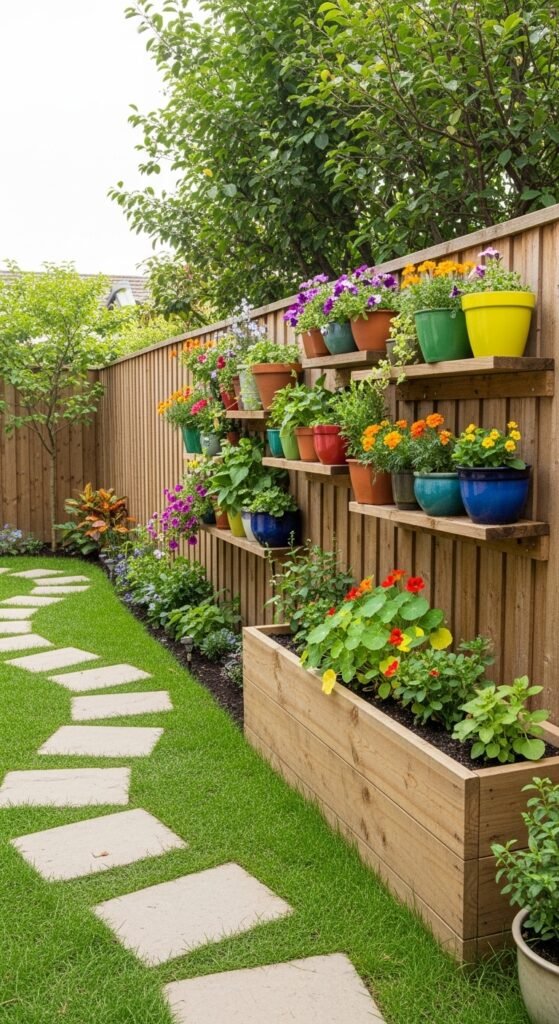
To implement this, you can use modular pocket planters, repurposed pallets, or simple trellis systems attached to a wall. Ferns, pothos, and bromeliads work exceptionally well in shady spots, while succulents and sedums thrive on sunny vertical surfaces. The key is to ensure your vertical structure has adequate drainage so water does not pool and damage the wall behind it. A drip irrigation system can be a game-changer here, reducing the maintenance of watering high-up plants.
Pro Tip: Use a lightweight potting mix with perlite to reduce the strain on your wall structure.
Potted Plant Clusters
Grouping potted plants is a dynamic way to create focal points and add depth to a patio or deck. Instead of scattering individual pots, clustering them creates a “jungle” effect that feels abundant and intentional. Visually, this technique relies on the “rule of three” or odd numbers, which is more pleasing to the human eye. Varying the height, texture, and leaf shape within the cluster creates a rich, layered look that mimics a natural garden bed.
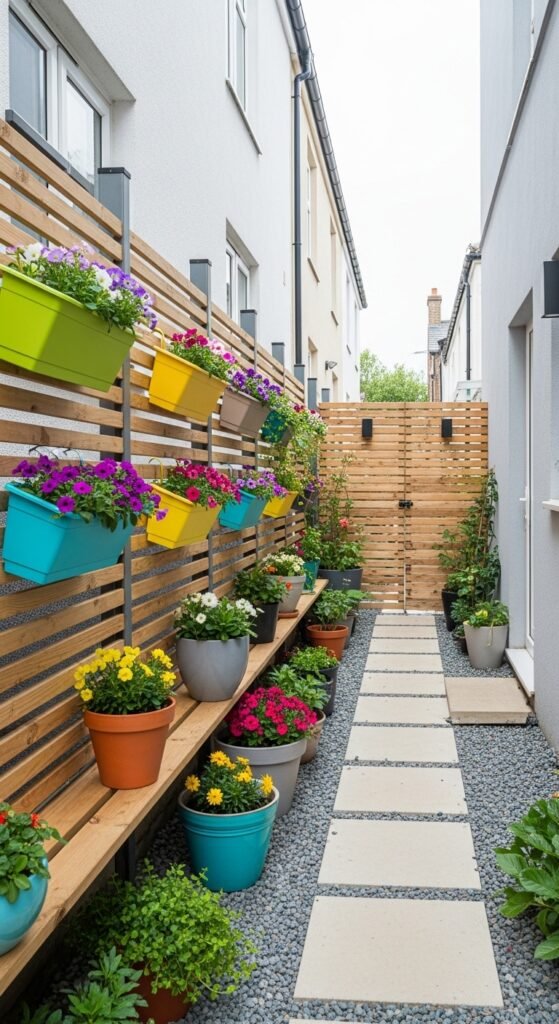
Start with a large “thriller” plant in the back, such as a tall ornamental grass or a small citrus tree. Surround it with medium-sized “filler” plants like geraniums or hostas, and finish the front with “spiller” plants that trail over the edges, such as ivy or creeping jenny. This method allows you to change your garden’s layout instantly. If a plant isn’t thriving in one spot, you can simply move the pot to a better location without the shock of transplanting.
Pro Tip: Use pot feet or risers to improve drainage and prevent staining on your patio surface.
Raised Garden Beds
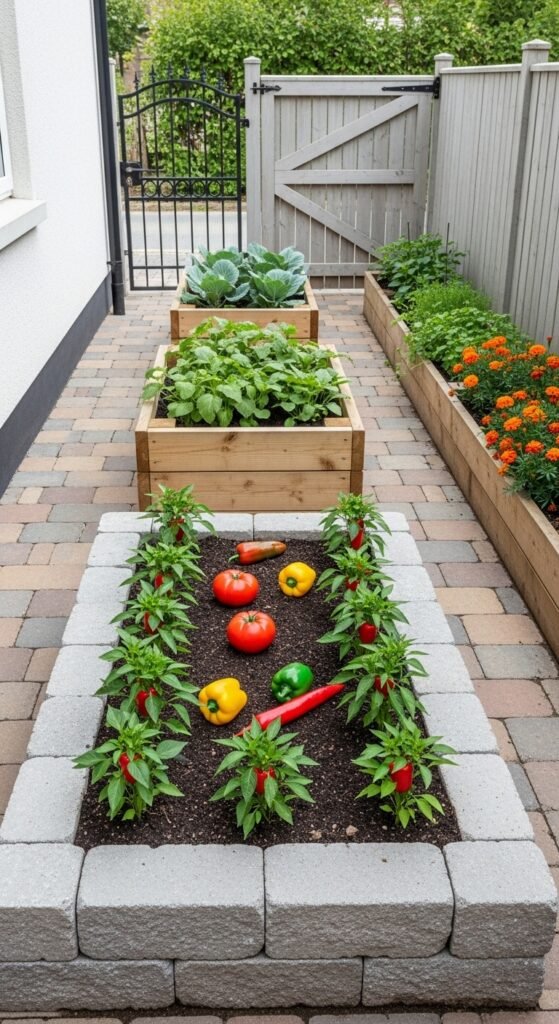
Raised garden beds are a staple for productive and aesthetic backyard vegetable gardening. They offer superior drainage, warmer soil earlier in the spring, and a physical barrier against pests like slugs and rabbits. From a design perspective, raised beds add structure and geometry to a garden. The clean lines of wood, stone, or metal frames provide a sense of order that contrasts beautifully with the chaotic growth of plants.
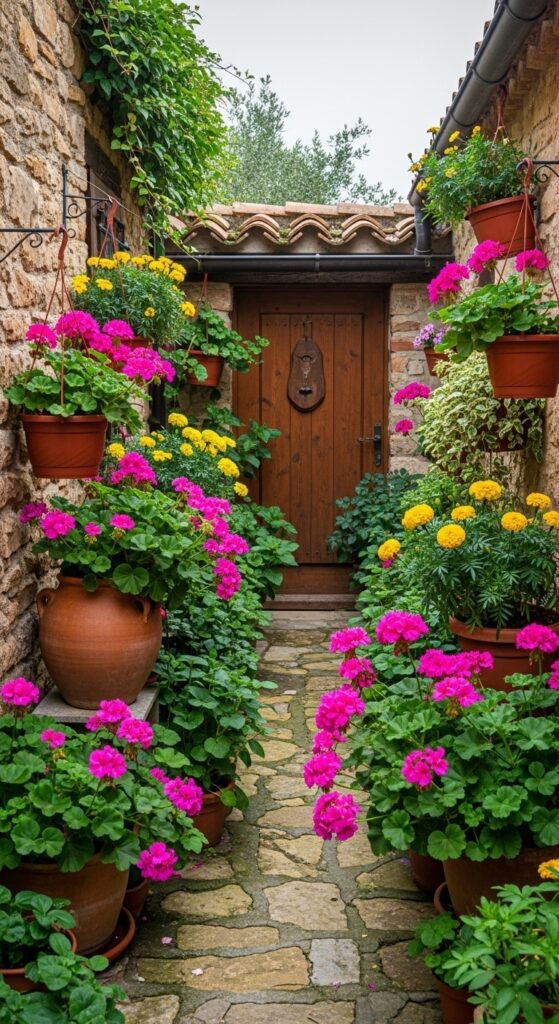
Building raised beds can be a simple DIY project using cedar planks or corrugated metal sheets. For small backyards, keeping the width under four feet ensures you can reach the center of the bed from either side without stepping into it, preventing soil compaction. This method allows you to control the soil quality entirely, which is crucial if your native backyard soil is heavy clay or rocky. You can fill them with a perfect blend of compost, peat moss, and vermiculite for explosive plant growth.
Pro Tip: Place hardware cloth (wire mesh) at the bottom of your raised bed to stop burrowing animals like moles from eating your roots.
Fairy Garden Corners
A fairy garden is a whimsical addition that brings magic and storytelling into your backyard. These miniature landscapes are perfect for filling awkward small corners or the base of a large tree. The visual appeal lies in the change of scale; tiny houses, miniature furniture, and small-leafed plants invite the viewer to look closer and appreciate the details. It creates a sense of discovery and playfulness that is often missing in modern, rigid garden designs.
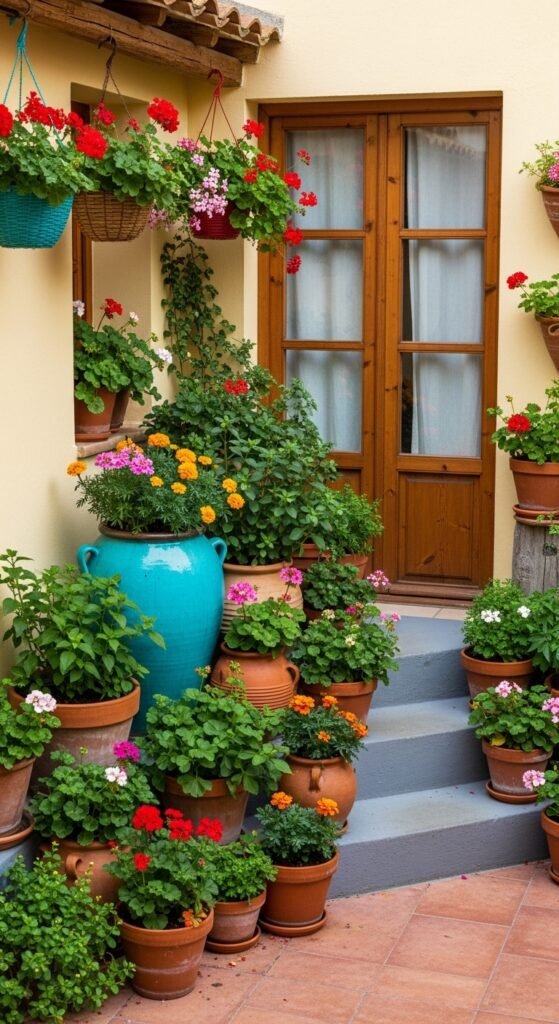
To create a fairy garden, select a secluded spot or a large shallow container. Use ground cover plants like Irish moss or baby’s tears to simulate grass, and small succulents to mimic trees and shrubs. Incorporate natural elements like pebbles for pathways, twigs for fences, and bark for structures. This is an excellent project to involve children in, as it teaches them about plant care on a manageable scale.
Pro Tip: Add solar-powered fairy lights to illuminate the miniature scene at night for a magical glow.
Hanging Planters
Hanging planters are a brilliant way to add color and life at eye level, breaking up the monotony of fences and siding. They draw the gaze upward, making a small yard feel more encompassing and immersive. The cascading foliage of trailing plants softens the edges of pergolas, porches, and roof overhangs. This layer of greenery adds a ceiling to your outdoor room, creating a cozy and enclosed feeling that promotes relaxation.
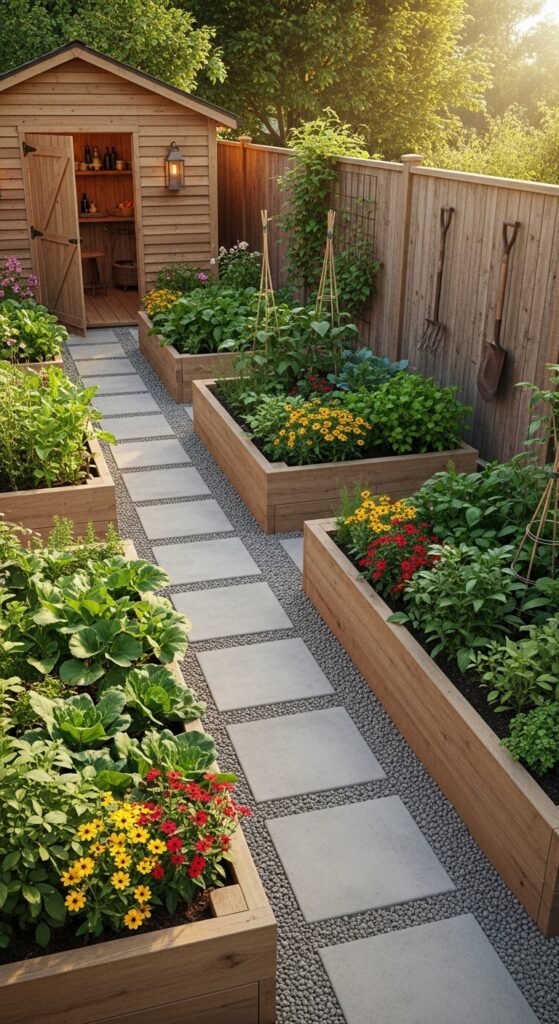
When choosing hanging planters, consider the weight of the pot when wet. Plastic or resin pots that mimic ceramic or stone are often safer and more practical for overhead use. Coconut coir liners are popular for wire baskets as they allow for excellent drainage and air circulation around the roots. For a stunning display, plant vibrant annuals like petunias, fuchsias, or begonias that will spill over the sides in a riot of color.
Pro Tip: Install a pulley system for your hanging baskets to make watering and deadheading significantly easier.
Compact Water Features
Introducing a water feature transforms the sensory experience of a garden. The sound of trickling water acts as natural white noise, masking traffic sounds and creating a serene, meditative atmosphere. In a small backyard, you do not need a massive pond to get this effect. A compact, recirculating fountain or a bubbling urn can serve as a stunning focal point without taking up valuable square footage.
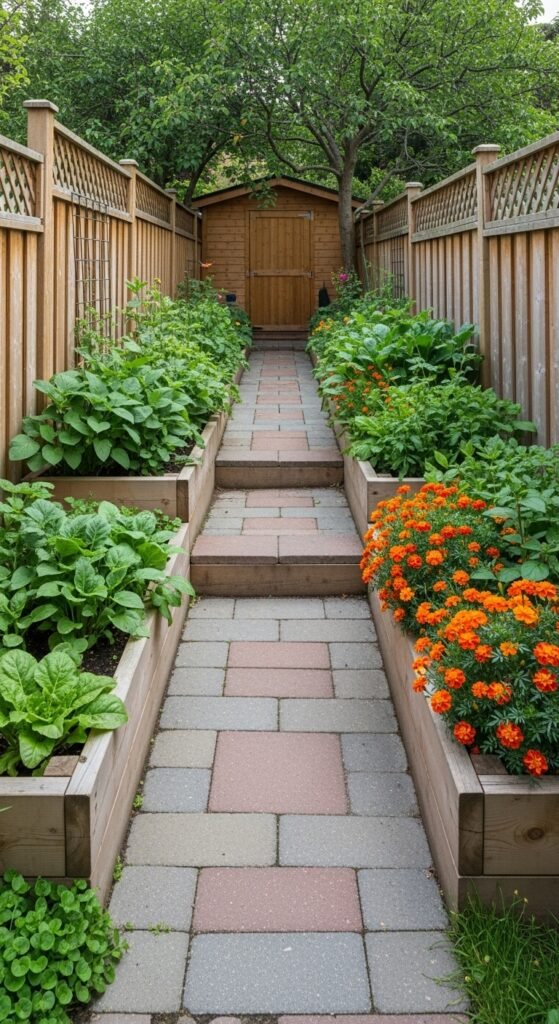
Visual reflections in still water can also make a space feel larger. You can create a simple DIY water feature using a sealed ceramic pot and a solar-powered pump. Place it near your seating area to maximize the auditory benefit. Aquatic plants like water lilies or horsetail reeds can be added to soften the edges and integrate the feature into the surrounding garden. The movement of water also attracts birds and pollinators, adding wildlife interest to your yard.
Pro Tip: regularly top up the water level in summer, as evaporation happens faster in small volume containers.
Outdoor String Lights
Lighting is often the most overlooked element of garden design, yet it has the highest impact on mood. Outdoor string lights, often called “café lights,” instantly add warmth and charm to a backyard. They create a “ceiling” of light that defines the space, making an open patio feel like an intimate room. The soft, warm glow is flattering and inviting, perfect for evening entertaining.
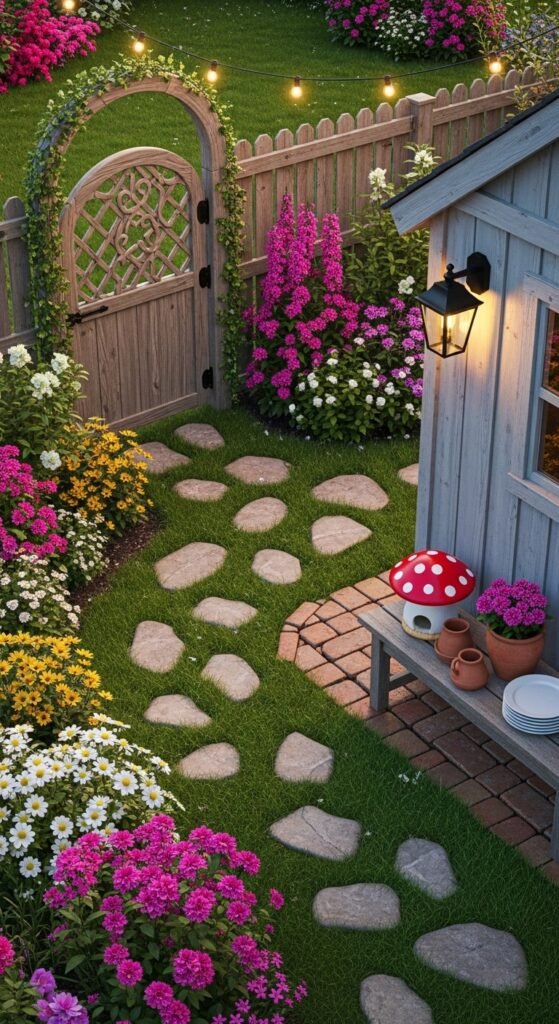
Draping lights in a zigzag pattern overhead is a classic technique. If you don’t have trees or structures to attach them to, you can install simple wooden posts or metal poles in planters. Solar-powered options have improved significantly and are a great choice for renters or areas without easy access to power outlets. Ensure you choose warm white bulbs (2700K-3000K) rather than cool white, as the warmer tone mimics candlelight and feels more cozy.
Pro Tip: Use a timer or a smart plug so your garden automatically lights up at dusk, welcoming you home even if you are indoors.
Pallet Herb Garden
Repurposing a wooden shipping pallet into a vertical herb garden is a budget-friendly DIY project that combines rustic aesthetics with functionality. The slat structure of a pallet is naturally suited for holding small pots or forming narrow planting troughs. This vertical approach keeps your culinary herbs organized, clean, and away from ground pests like slugs and neighborhood pets.
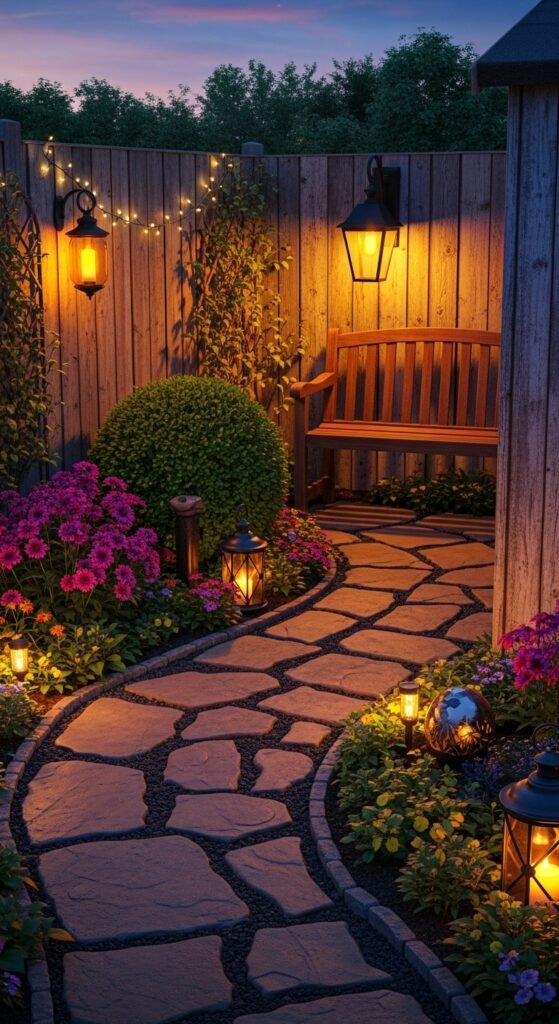
To make one, ensure your pallet is heat-treated (marked “HT”) rather than chemically treated, to ensure safety for edible plants. Sand down rough edges and seal the wood with a non-toxic outdoor varnish to prevent rot. You can staple landscape fabric to the back of the pallet to create pockets for soil, or simply attach hose clamps to the slats to hold terra cotta pots. Place it near your kitchen door for easy access while cooking.
Pro Tip: Label your herbs with painted stones or slate markers for a charming, organized look.
Small Tree with Underplanting
Even a small backyard deserves a tree. A single, well-chosen small tree acts as a structural anchor for the garden, providing height, shade, and seasonal interest. Trees like Japanese Maples, Crepe Myrtles, or ornamental crabapples are perfect for compact spaces because they have non-invasive root systems and manageable growth habits. The canopy creates a sense of enclosure and privacy from upper-story windows of neighboring houses.
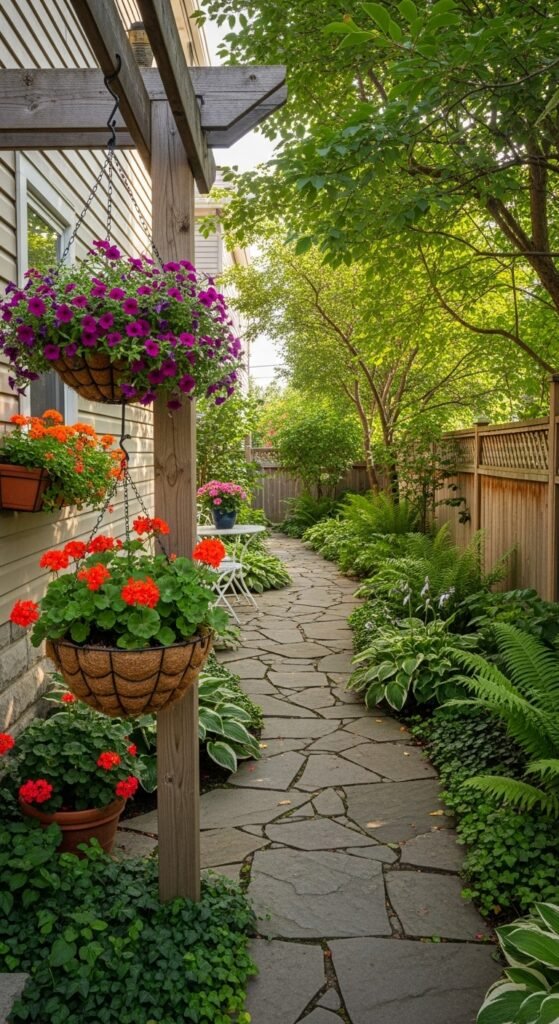
“Underplanting” refers to planting low-growing flowers or ground covers around the base of the tree. This maximizes space and creates a layered, professional look. Shade-loving plants like ferns, hostas, or heucheras are ideal companions. This technique eliminates the “bare dirt circle” look and integrates the tree seamlessly into the rest of the garden border.
Pro Tip: Choose a multi-stemmed tree for a more sculptural, artistic look that serves as a focal point even in winter.
Corner Seating Area
Corners are often dead space in a rectangular backyard, but they are actually the perfect location for a cozy seating nook. Placing seating in a corner draws the eye diagonally across the yard, which makes the space perceive as longer and larger. It also provides a vantage point where you can view the entire garden. A corner setup feels protected and intimate, creating a “hugged” sensation that is very comforting.
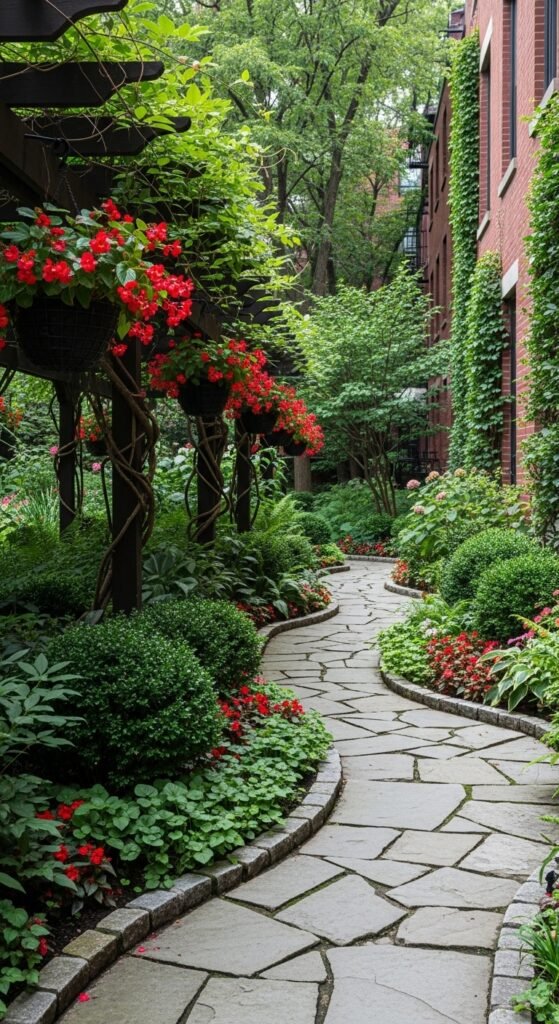
You can build a custom L-shaped bench or simply arrange two chairs with a small table. Surrounding the seating with tall plants or a trellis adds privacy and enhances the feeling of a secret hideaway. Using weather-resistant cushions and throws adds texture and color, inviting you to curl up with a book.
Pro Tip: Place a small outdoor rug under the seating to visually anchor the “room” and separate it from the rest of the garden.
Garden Mirrors
Using mirrors in a garden is a classic designer trick to double the perceived space. A well-placed mirror reflects greenery and light, making a small wall or fence seem like a doorway into another part of the garden. This optical illusion adds depth and intrigue, brightening up dark, shady corners by bouncing sunlight into them.
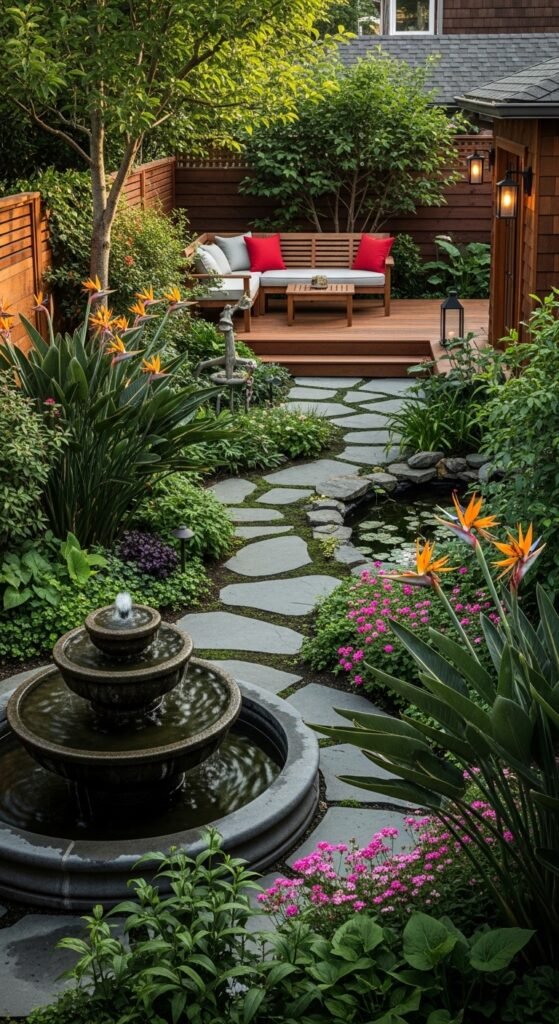
When positioning a garden mirror, think about what it will reflect. Angle it slightly to reflect a beautiful flower bed or a leafy shrub rather than the viewer or a plain wall. Using a mirror with a window-pane frame enhances the illusion of a portal. Ensure the mirror is made for outdoor use or sealed properly to withstand the elements. Over time, a bit of weathering on the frame adds to the charm.
Pro Tip: Avoid placing mirrors in direct, scorching sunlight, as the concentrated reflection can sometimes scorch plants or pose a fire risk.
Pathway with Pebbles
A pathway defines the flow of movement through your garden, inviting exploration. Using pebbles or gravel for a path is an affordable and permeable option that looks organic and chic. Unlike solid concrete, a pebble path allows rainwater to drain through to the soil, preventing runoff issues. The crunch of gravel underfoot also adds a pleasing auditory element to the garden experience.
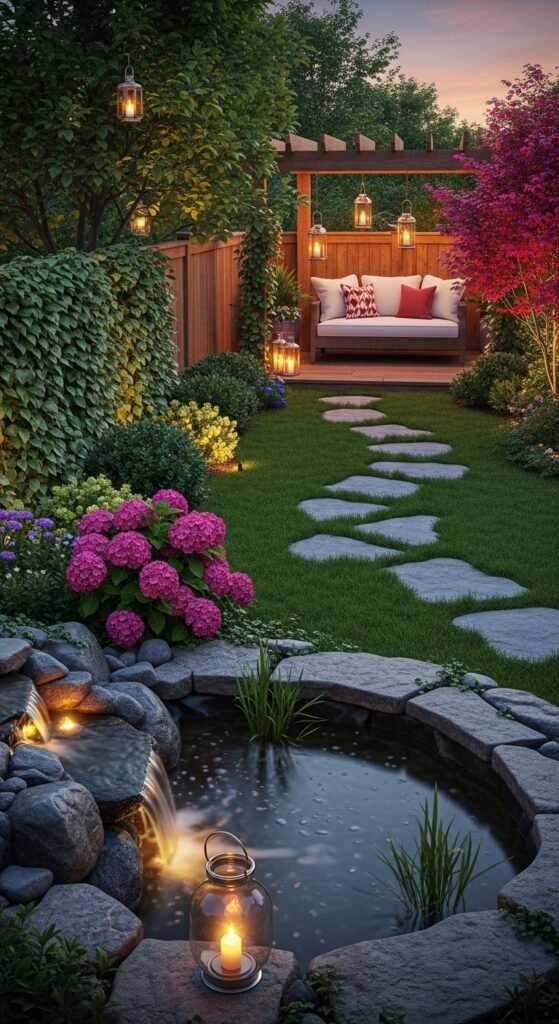
To create a tidy look, use edging materials like metal strips, bricks, or pressure-treated timber to contain the pebbles. You can lay stepping stones within the pebbles for a more stable walking surface and a modern aesthetic. Curved paths are particularly effective in small gardens as they hide the destination, creating a sense of mystery and making the journey seem longer than a straight line would.
Pro Tip: Lay down a weed barrier fabric underneath the pebbles to keep the path low-maintenance and weed-free.
Garden Bench with Storage
In a small backyard, every piece of furniture must earn its keep. A garden bench with built-in storage is the ultimate multi-functional piece. It provides a comfortable place to sit and enjoy your hard work while hiding away unsightly garden tools, bags of potting soil, or outdoor cushions. This keeps your limited space clutter-free and visually calm.
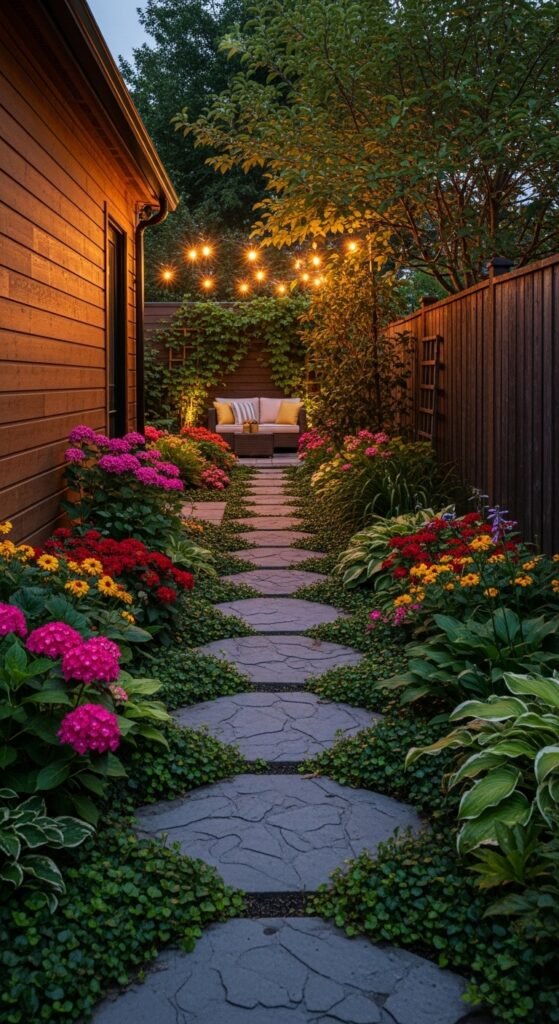
Look for benches made from weather-resistant woods like teak or eucalyptus, or durable resin options. You can style the bench with outdoor pillows to tie it into your garden’s color scheme. Placing the bench against a wall or fence allows you to grow climbing plants behind it, framing the seating area in greenery.
Pro Tip: If building your own, ensure the lid is waterproof or has a liner to keep the contents dry during rainstorms.
Mini Vegetable Patch
You don’t need a farm to grow your own food. A mini vegetable patch can be incredibly productive and beautiful. By practicing “square foot gardening,” you can grow a surprising amount of produce in a 4×4 foot area. Mixing vegetables with flowers (potager style) creates a garden that is both ornamental and edible. The textures of kale, chard, and lettuce are just as stunning as many decorative foliage plants.
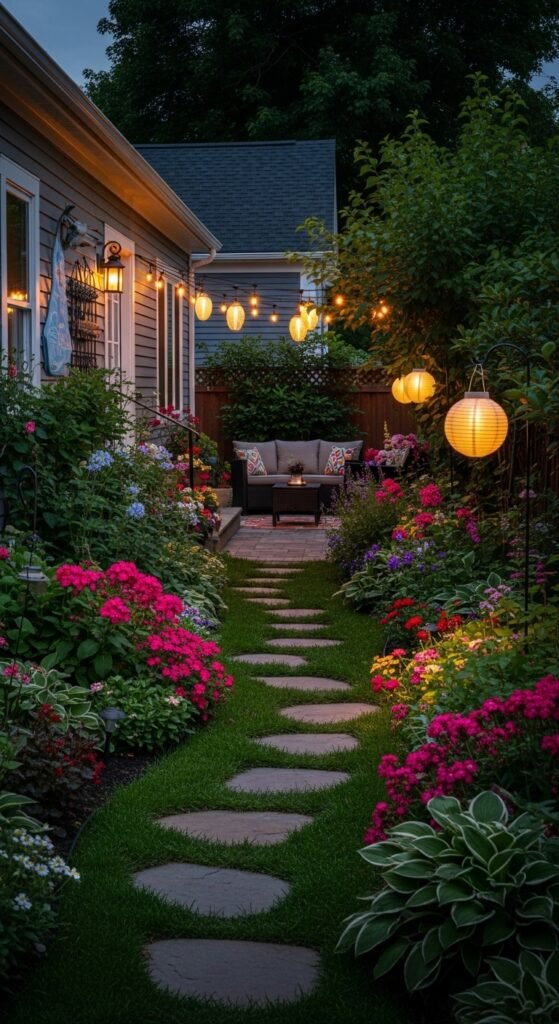
Focus on high-yield crops that don’t take up much space, such as cherry tomatoes, peppers, salad greens, and radishes. Interplanting marigolds or nasturtiums among the veggies not only looks cheerful but also helps repel pests naturally. This approach turns your food garden into a feature rather than a utilitarian utility area.
Pro Tip: orient your vegetable patch north-to-south to ensure all plants get equal sun exposure as the sun moves across the sky.
Outdoor Rug for Defined Spaces
An outdoor rug is the quickest way to “zone” a patio or deck. It acts as a visual anchor, grounding your furniture and defining the area as a distinct outdoor living room. Rugs add color, pattern, and softness to hard surfaces like concrete or wood, making the space feel warmer and more finished.
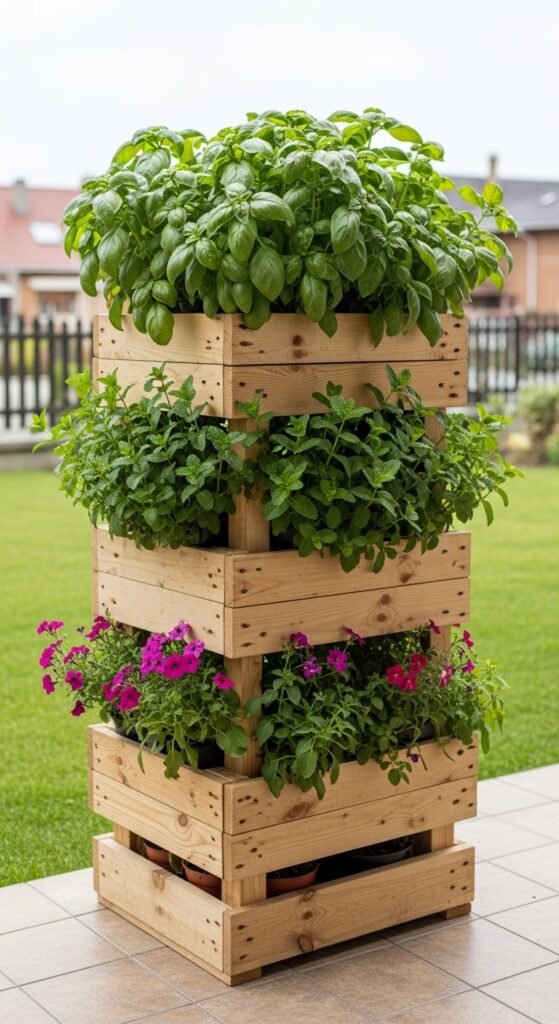
Choose a rug made from polypropylene or recycled plastic, as these materials are mold-resistant, UV-stabilized, and easy to clean with a hose. A bold geometric pattern can make a modern statement, while a neutral, woven texture suits a boho or rustic style. The rug also protects bare feet from hot surfaces in the summer.
Get The Look: Modern Boho Sanctuary
- Base: Jute-style outdoor rug.
- Furniture: Rattan corner sofa with cream cushions.
- Accents: Macramé hanging planters and patterned throw pillows.
- Lighting: Warm white festoon lights.
Pro Tip: Roll up your outdoor rug and store it during heavy winter snows to extend its lifespan significantly.
Ladder Plant Stand
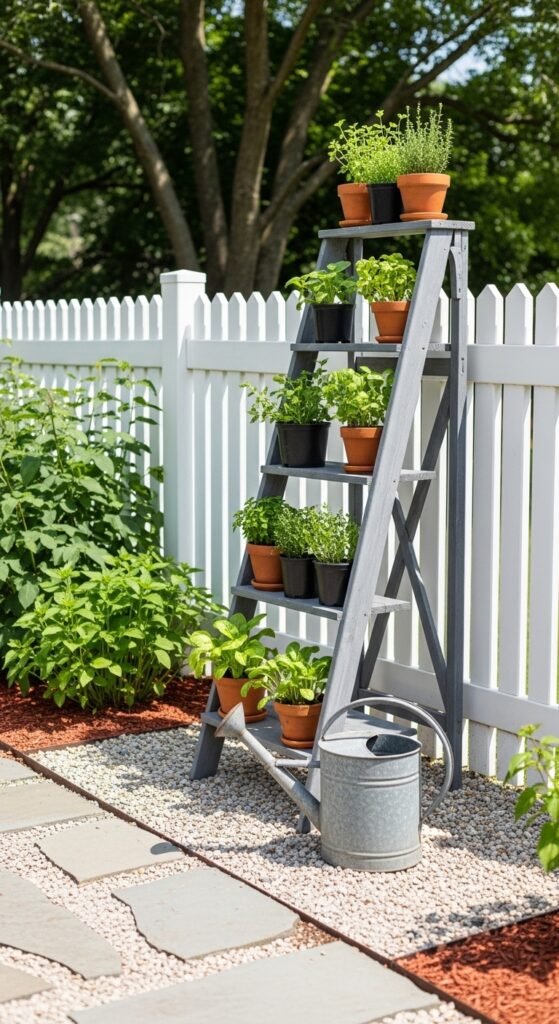
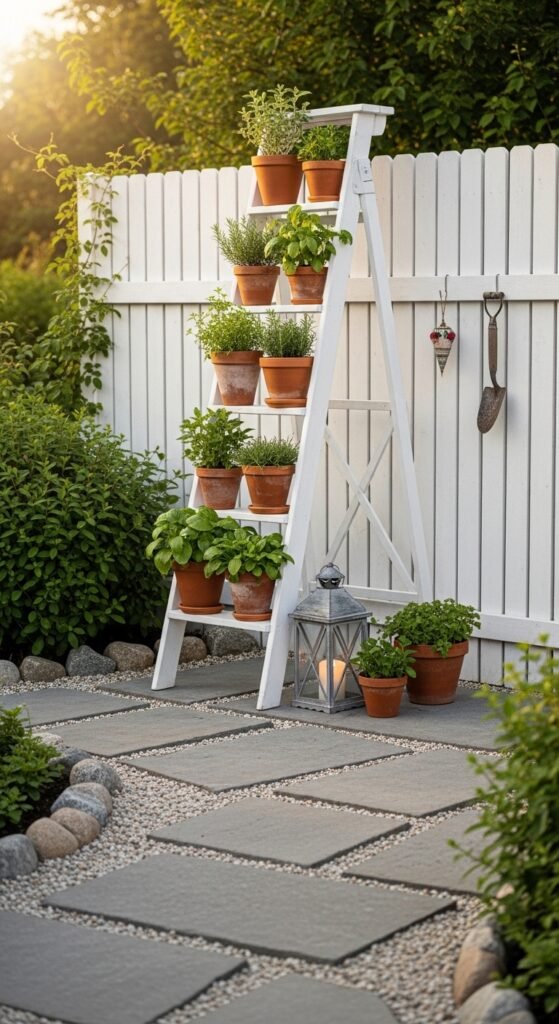
A ladder plant stand utilizes vertical space efficiently and displays a collection of potted plants in a tiered arrangement. This is perfect for renters or balconies where you cannot drill into walls. The tiered structure ensures that plants on the lower levels are not shaded by those above, allowing each pot to get adequate light.
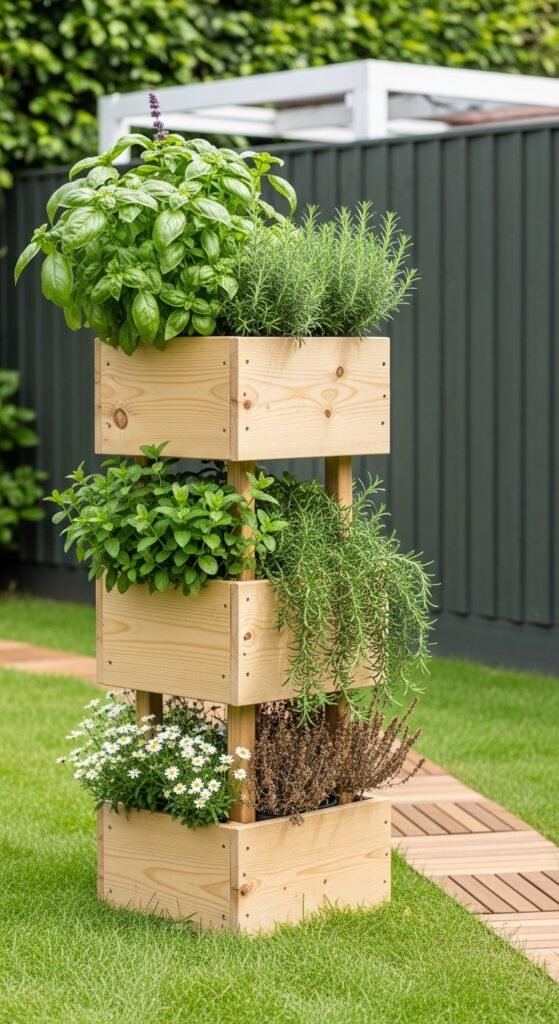
You can upcycle an old wooden stepladder for a vintage, rustic look, or buy a sleek, modern A-frame shelf. This is an ideal spot for an herb collection or a display of succulents. The ladder adds architectural interest and can be moved easily to chase the sun or protect plants from frost.
Pro Tip: Place trailing plants on the higher rungs so their vines can drape down without touching the floor.
Colorful Flower Border
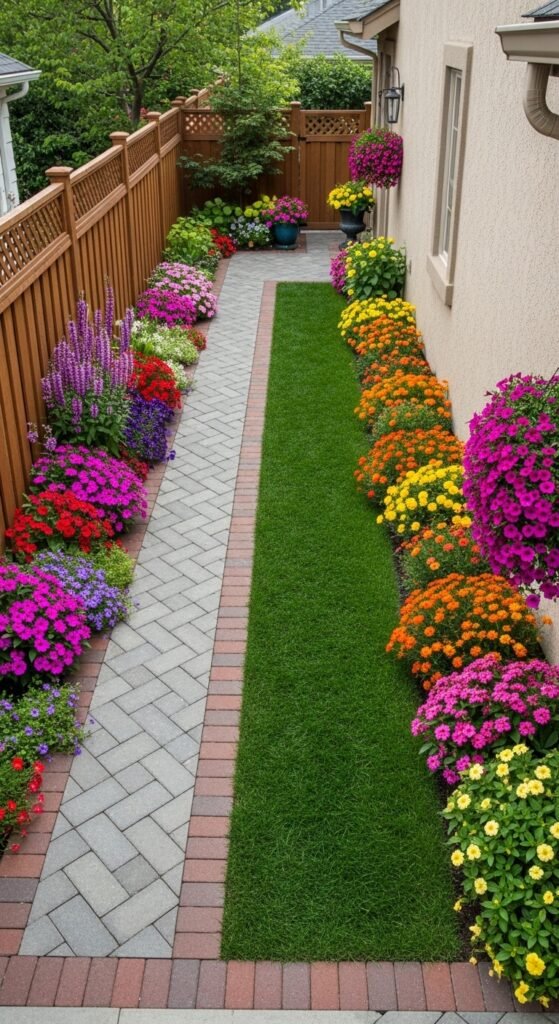
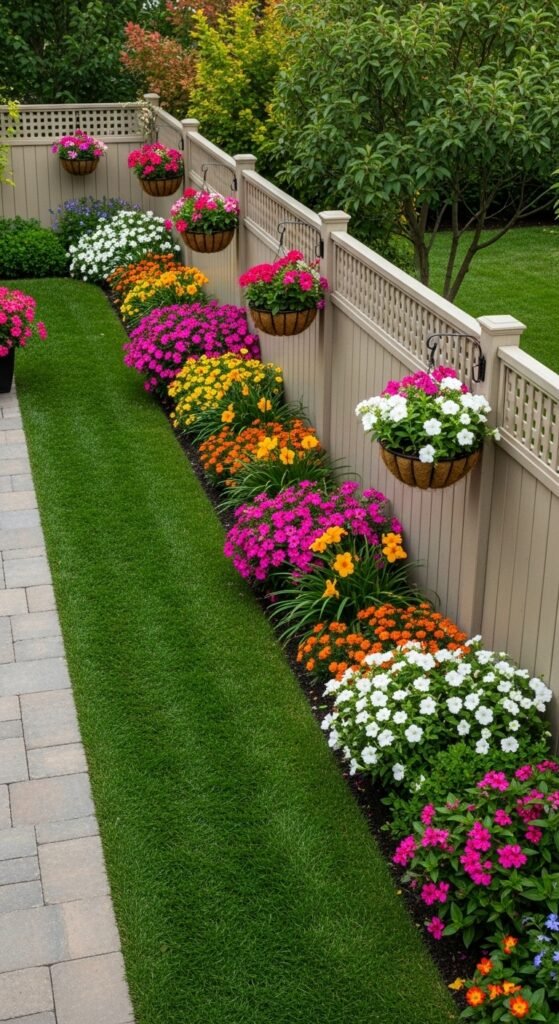
A flower border softens the edges of a backyard, blurring the boundary between the lawn and the fence. A well-planned border provides a succession of blooms from spring to fall, ensuring there is always color in the garden. By layering plants by height—tall at the back, medium in the middle, short at the front—you create a lush, full look that hides the bottom of fences.
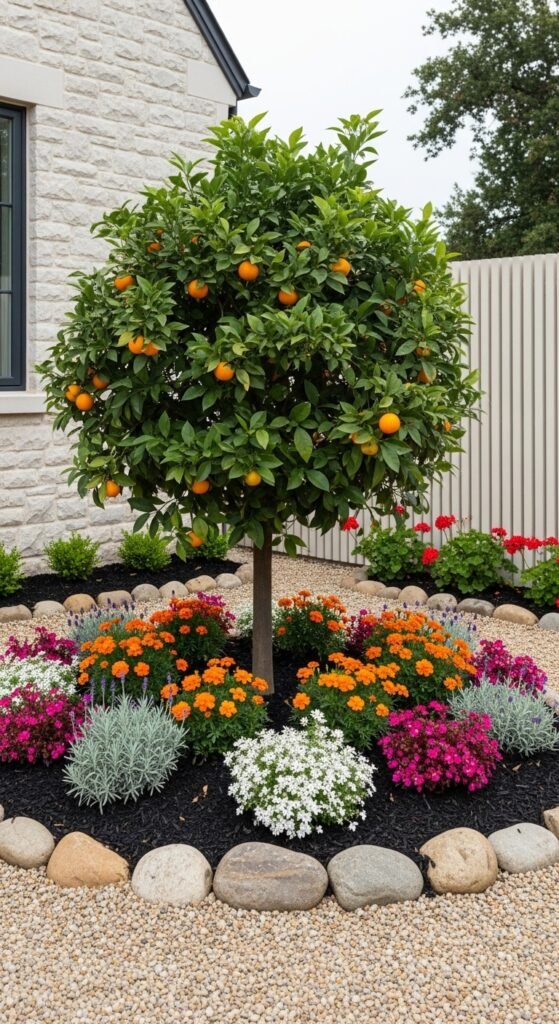
Incorporate perennials for structure and annuals for pops of intense color. Pollinator-friendly plants like lavender, salvia, and coneflowers bring bees and butterflies, adding movement and life to the garden. Using a limited color palette (e.g., purples and whites, or hot pinks and oranges) creates a cohesive, designer look.
Pro Tip: Add spring-flowering bulbs like tulips and daffodils in the fall for an early burst of color before the rest of the garden wakes up.
DIY Fire Pit Zone
A fire pit naturally becomes the heart of a backyard, extending the use of the garden into cooler evenings and seasons. It creates a primal gathering spot where friends and family instinctively congregate. You don’t need a built-in gas system; a simple metal fire bowl or a DIY ring made from retaining wall blocks is affordable and effective.
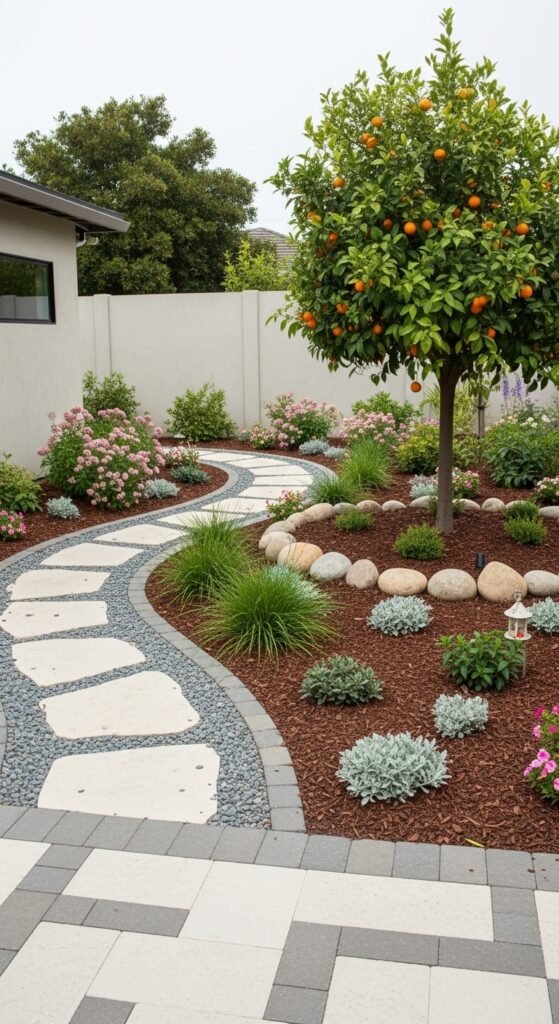
Surround the fire pit with gravel or pavers for safety and easy cleanup. Adirondack chairs or log stumps enhance the rustic campfire vibe. This feature transforms a “daytime only” garden into a night-time entertainment hub.
Pro Tip: Check local regulations regarding open fires and distance from structures before installing a wood-burning fire pit.
Cozy Hammock Nook
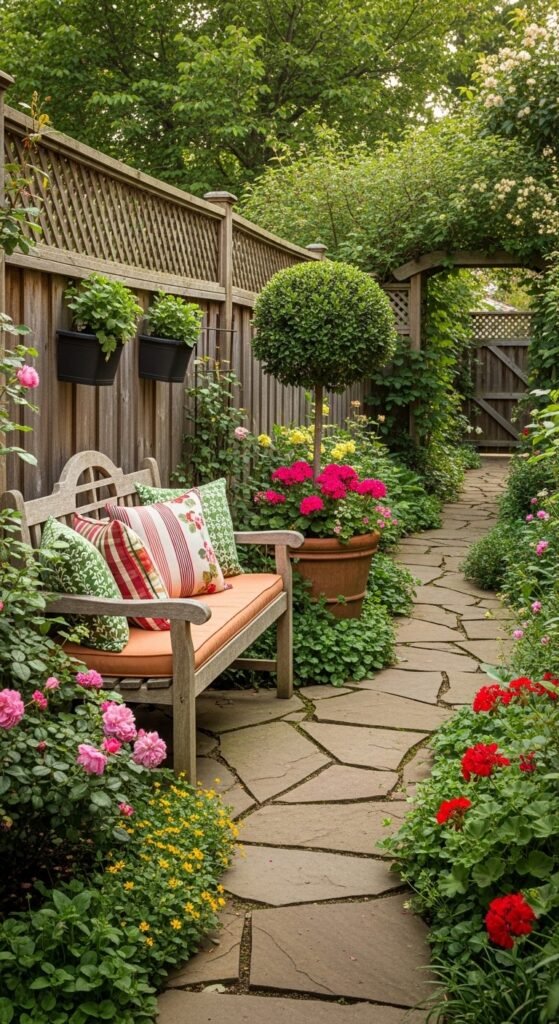
Nothing says “relaxation” quite like a hammock. Installing a hammock creates an instant vacation vibe in your backyard. If you have two sturdy trees, you are set. If not, a hammock stand or a hammock chair hung from a sturdy pergola beam works perfectly.
Choose a spot with dappled shade for the most comfortable experience. A hammock nook encourages you to slow down and look up at the sky or canopy, offering a new perspective on your garden. It’s a low-cost addition with a high return on relaxation.
Save this idea to your Pinterest.
Pro Tip: Add a small side table within arm’s reach for your drink or book.
Gravel Garden Ground Cover
Replacing a thirsty, high-maintenance lawn with a gravel garden is a smart move for eco-conscious gardeners and those in drought-prone areas. Gravel gardens are chic, modern, and require zero mowing. They provide a perfect backdrop for drought-tolerant plants like ornamental grasses, yucca, and lavender.
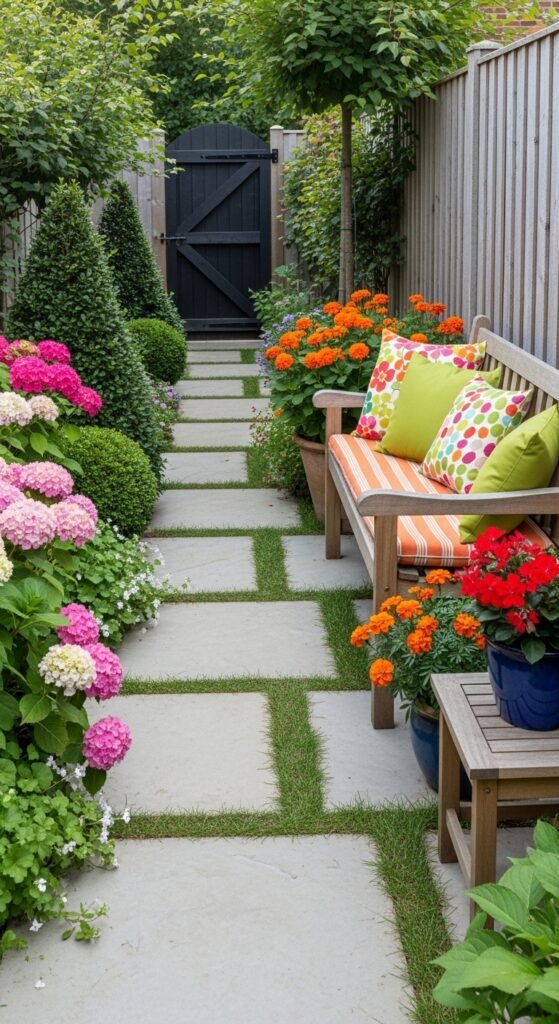
Use different sizes and colors of gravel to create patterns or define areas. “Pea gravel” is comfortable to walk on, while larger crushed rock stays in place better. This “xeriscaping” approach reduces water usage significantly and eliminates the need for fertilizers and pesticides associated with lawn care.
Pro Tip: Install a sturdy edging to keep gravel from migrating into flower beds or onto patios.
Trellis Privacy Screen
Privacy is a common issue in small backyards. A freestanding trellis with climbing plants acts as a beautiful “living screen” that blocks prying eyes without feeling like a fortress wall. It filters light beautifully and adds vertical greenery.
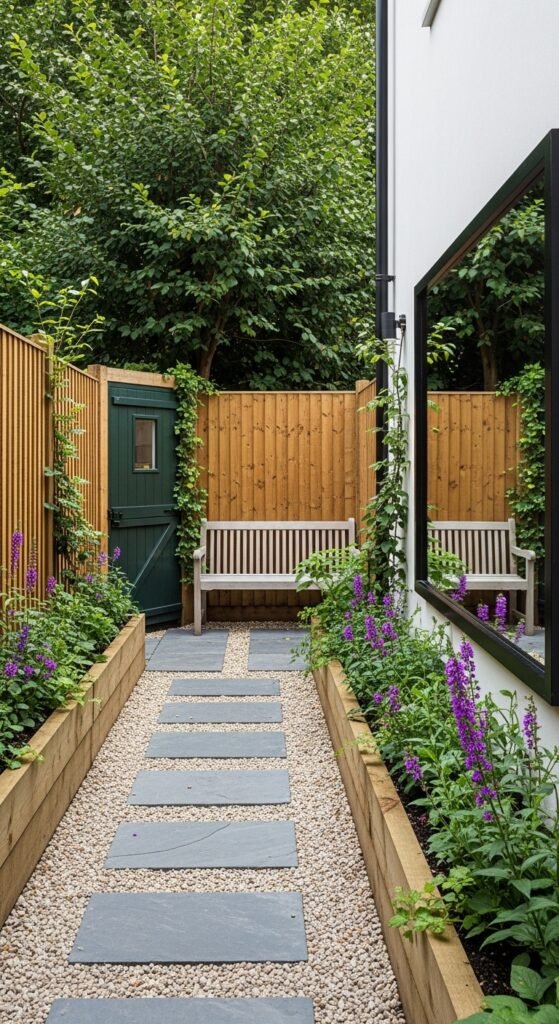
Fast-growing vines like Clematis armandii (evergreen) or Star Jasmine provide dense coverage and fragrance. You can position these screens strategically around a hot tub, dining area, or patio to create a secluded zone.
Pro Tip: Anchor freestanding trellises deeply or use heavy planter boxes at the base to prevent them from tipping in high winds.
Succulent Rock Garden
A rock garden is an ideal solution for sunny, dry slopes or areas with poor soil where other plants struggle. Succulents and alpines thrive in these conditions, nestling into the crevices between stones. The combination of rugged rocks and fleshy, geometric plants creates a stunning textural contrast.
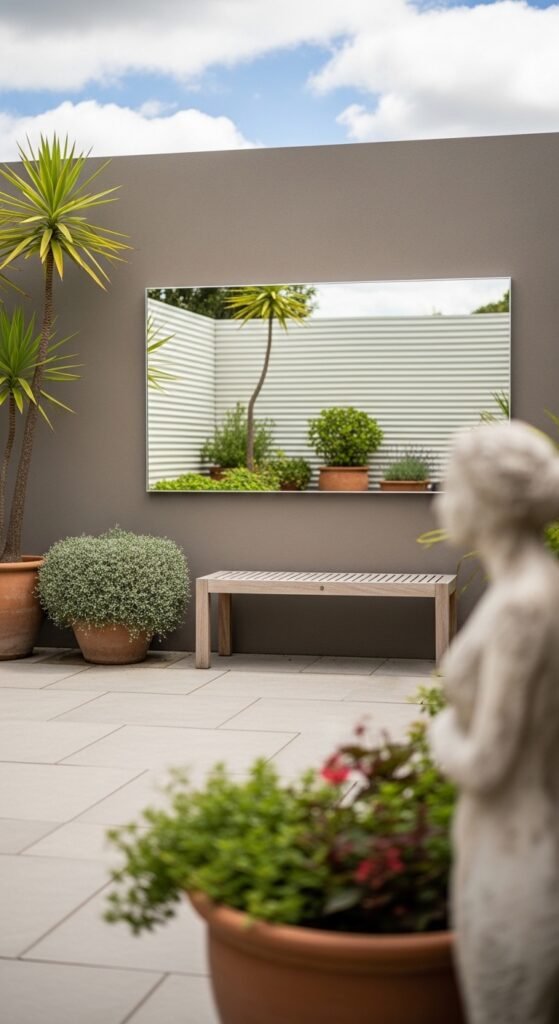
This type of garden is incredibly low maintenance. Once established, succulents require very little water. Use rocks of varying sizes to mimic a natural outcrop. Sedums, Sempervivums (Hens and Chicks), and Ice Plants provide ground cover and seasonal blooms.
Pro Tip: Ensure the soil mix is gritty and fast-draining to prevent root rot in your succulents.
Bistro Dining Set
For small patios or balconies, a massive dining table dominates the space and makes it feel cramped. A bistro set—a small round table and two chairs—is the perfect scale. It evokes the charm of a Parisian sidewalk café and provides a dedicated spot for morning coffee or an intimate dinner.
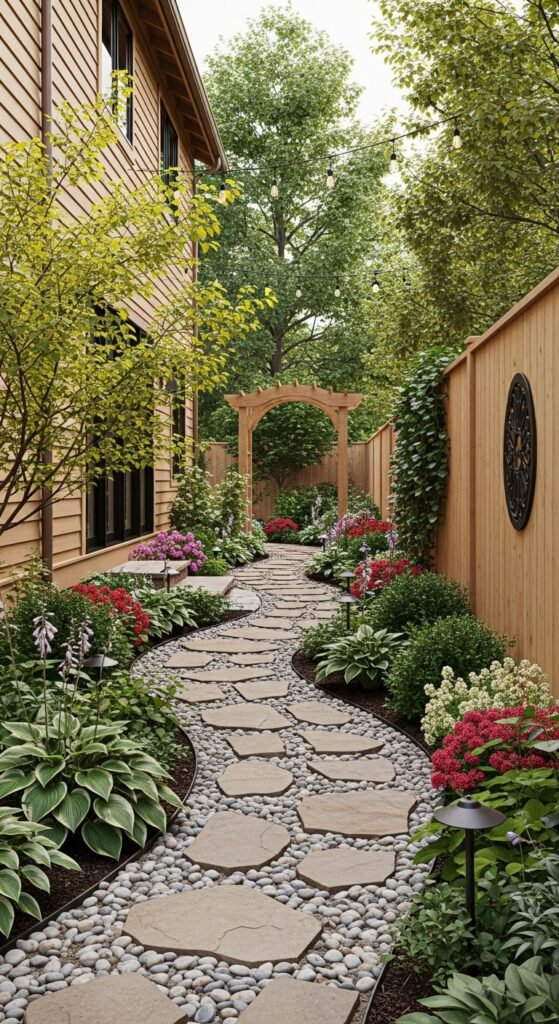
Foldable bistro sets are even better, as they can be tucked away when you need open floor space for a party. Choose materials like powder-coated steel for durability and a pop of color, or wrought iron for a classic look.
Pro Tip: Choose a table with a pedestal base rather than four legs to maximize legroom in tight spaces.
Upcycled Tire Planters
Upcycling old tires into colorful planters is a fun, eco-friendly way to reduce waste and add personality to your garden. You can stack them, hang them, or arrange them in patterns. Painted in bright, vibrant colors, they become playful focal points that contrast with the green foliage.
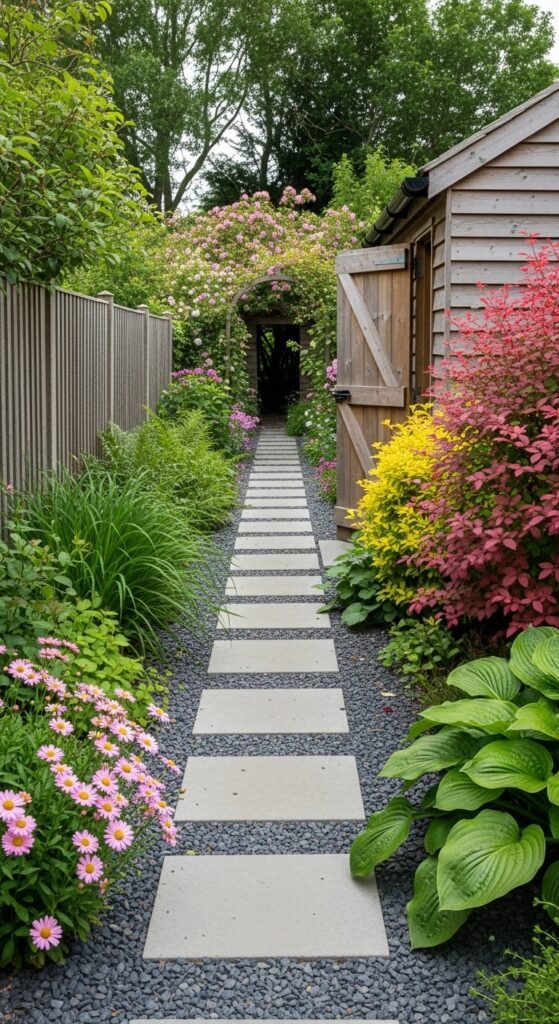
Tires are incredibly durable and retain heat, which can be beneficial for heat-loving crops like sweet potatoes or peppers. Make sure to scrub them clean and use non-toxic paint. If growing edibles, line the tire with landscape fabric to prevent soil contact with the rubber.
Pro Tip: Stack two tires and fill with soil to create a raised planter that is easier to reach without bending.
Zen Sand Garden
A Zen garden, or dry landscape garden, focuses on minimalism and mindfulness. It typically consists of sand or fine gravel raked into patterns to represent water, with a few carefully placed rocks representing islands. This style of garden is visually calming and requires no watering.
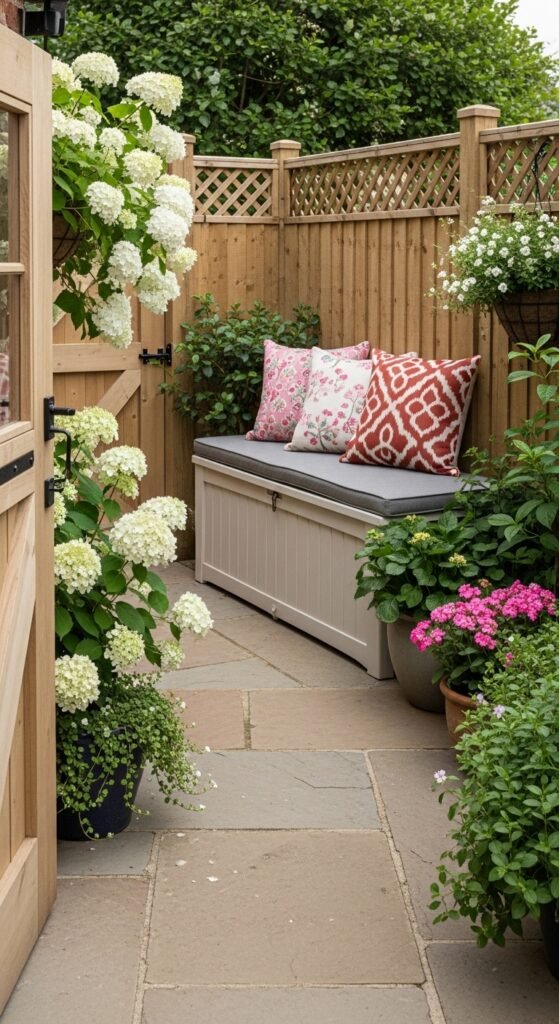
Creating a small Zen corner provides a space for meditation and stress relief. The act of raking the sand is itself a meditative practice. It works beautifully in small, shady courtyards where grass struggles to grow.
Pro Tip: Keep the design simple; negative space (emptiness) is just as important as the objects in the garden.
Bird Bath Centerpiece
Inviting wildlife into your garden brings it to life. A bird bath serves as a sculptural element and a crucial resource for local birds, especially in urban areas. Watching birds bathe and drink provides endless entertainment and connects you to nature.
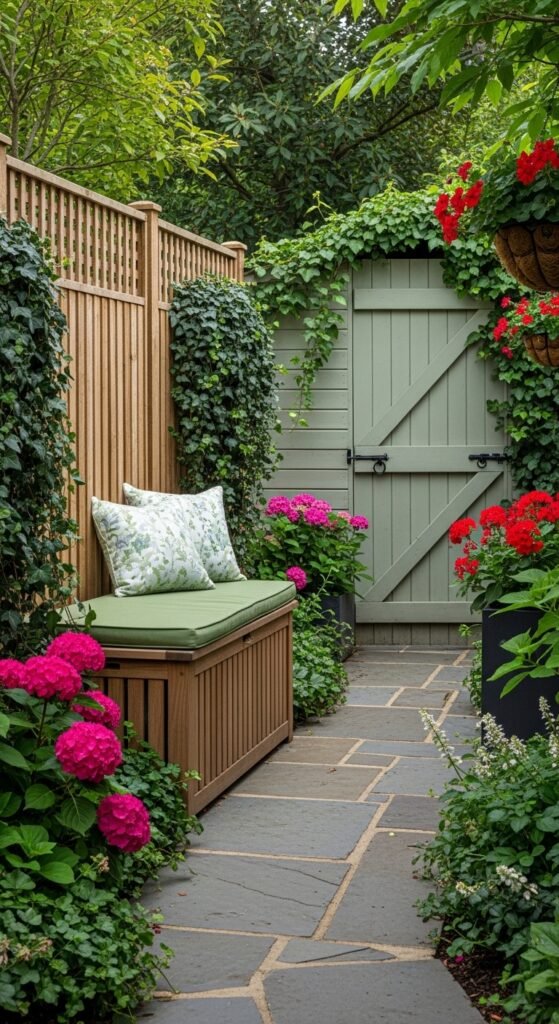
Place the bird bath in a visible spot but near a shrub or tree so birds have a quick escape route if they feel threatened. Change the water daily to keep it fresh and prevent mosquito breeding. A pedestal bird bath adds height, while a ground-level dish attracts different species.
Pro Tip: Add a few flat stones inside the bath to provide different depths for birds of various sizes.
Window Box Displays
Window boxes are a classic way to dress up the exterior of your home and bring the garden right to your window pane. They add curb appeal and allow you to enjoy flowers from inside the house.
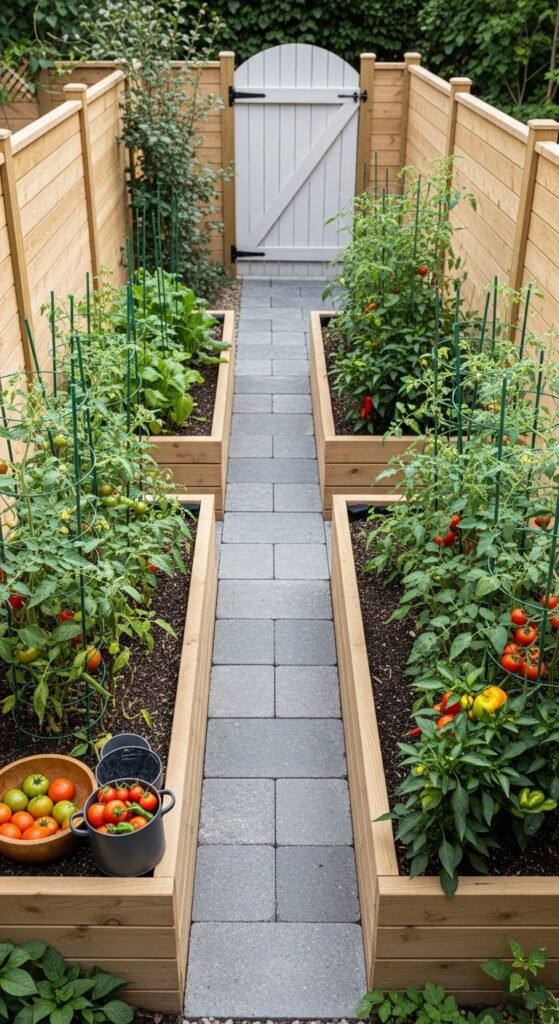
Coordinate the flowers in your window boxes with your backyard color scheme. Trailing plants like ivy or sweet potato vine soften the box’s edges, while upright plants like geraniums or snapdragons add height. Ensure the boxes are securely fastened to the wall or sill.
Pro Tip: Use self-watering window boxes to reduce the chore of daily watering, especially during hot summers.
Cinder Block Planter Wall
Concrete cinder blocks are cheap, modular, and perfect for creating a modern, industrial-style planter wall. You can stack them in various configurations to create a vertical garden or a retaining wall with planting pockets.
Leave the blocks raw for a brutalist look, or paint them to match your decor. The hollow centers are perfect for succulents, herbs, or strawberries. This is an incredibly sturdy and permanent solution that requires no carpentry skills.
Pro Tip: Use construction adhesive between the blocks for stability if stacking them more than two levels high.
Pergola for Shade
A pergola defines an outdoor room and provides much-needed shade without blocking airflow. It gives a sense of structure and permanence to a patio. You can grow climbing vines over the top to create a leafy canopy that cools the area beneath it naturally.
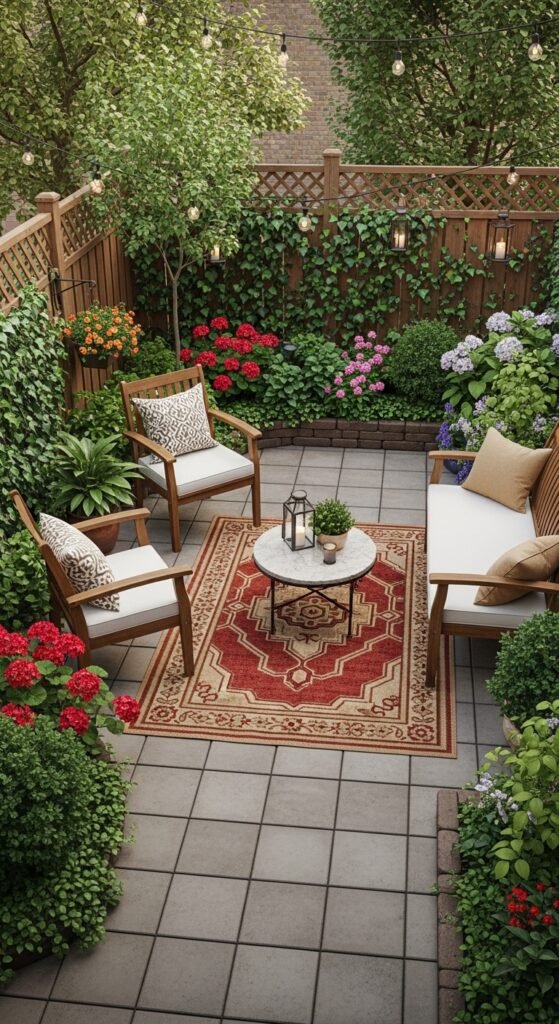
In a small yard, a pergola can frame a view or cover a dining area. String lights or hanging lanterns from the beams to create a magical evening atmosphere. The vertical posts also offer more opportunities for hanging planters.
Pro Tip: Angle the top slats of the pergola to maximize shade during the hottest part of the day (usually late afternoon).
Solar Pathway Lighting
Solar pathway lights are the easiest way to add safety and beauty to your garden paths. They require no wiring and cost nothing to run. Stick them into the ground along the edges of your pebble or paver path to guide the way at night.
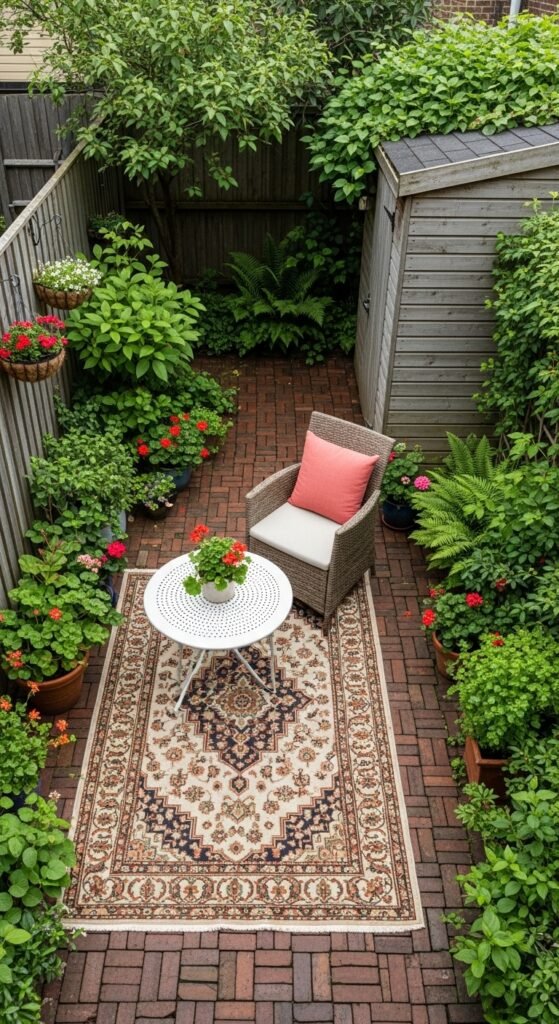
Modern solar lights come in many styles, from sleek stainless steel to vintage lantern looks. They charge during the day and turn on automatically at dusk. Grouping them or spacing them evenly creates a rhythm that leads the eye through the garden.
Pro Tip: Wipe the solar panels clean occasionally to ensure they charge efficiently.
Tiered Strawberry Planter
Strawberries are one of the most rewarding crops to grow, and a tiered planter maximizes the harvest in a tiny footprint. You can buy specialized strawberry pots or build a pyramid structure from wood.
The tiered design keeps the fruit off the ground, preventing rot and keeping them away from slugs. It also makes harvesting easy. The cascading greenery and red berries look beautiful as a patio centerpiece.
Pro Tip: Rotate the planter periodically so all sides get equal sunlight for even ripening.
Repurposed Wheelbarrow Planter
An old, rusty wheelbarrow doesn’t need to go to the landfill. It makes a charming, mobile planter for a cottage-style garden. Drill a few holes in the bottom for drainage and fill it with potting soil.
The mobility is a huge plus; you can wheel your flower display to different parts of the yard depending on the occasion or the sun’s position. It looks fantastic overflowing with petunias, daisies, or a mix of wildflowers.
Pro Tip: If the wheelbarrow is very deep, fill the bottom third with empty plastic bottles or packing peanuts before adding soil to reduce weight and soil cost.
Butterfly Bush Corner
dedicating a corner to a Buddleia (Butterfly Bush) creates a wildlife magnet. These shrubs produce long, cone-shaped flower spikes that are irresistible to butterflies and hummingbirds.
They grow quickly and can fill a corner with lush green foliage and purple, pink, or white blooms. Watching the pollinators visit your garden adds a dynamic, living element to the scenery.
Pro Tip: Deadhead spent blooms to encourage the bush to keep flowering until the first frost.
Hidden Garden Cinema
Transform a white sheet or a blank wall into an outdoor movie screen for the ultimate summer night experience. With a portable projector, your backyard becomes a private cinema.
Arrange bean bags, blankets, and low chairs on the grass or patio. This creates a multi-functional entertainment space that doesn’t require permanent furniture. It’s a magical way to enjoy the warm evenings with family.
Pro Tip: Use Bluetooth speakers for better sound quality than the projector’s built-in audio.