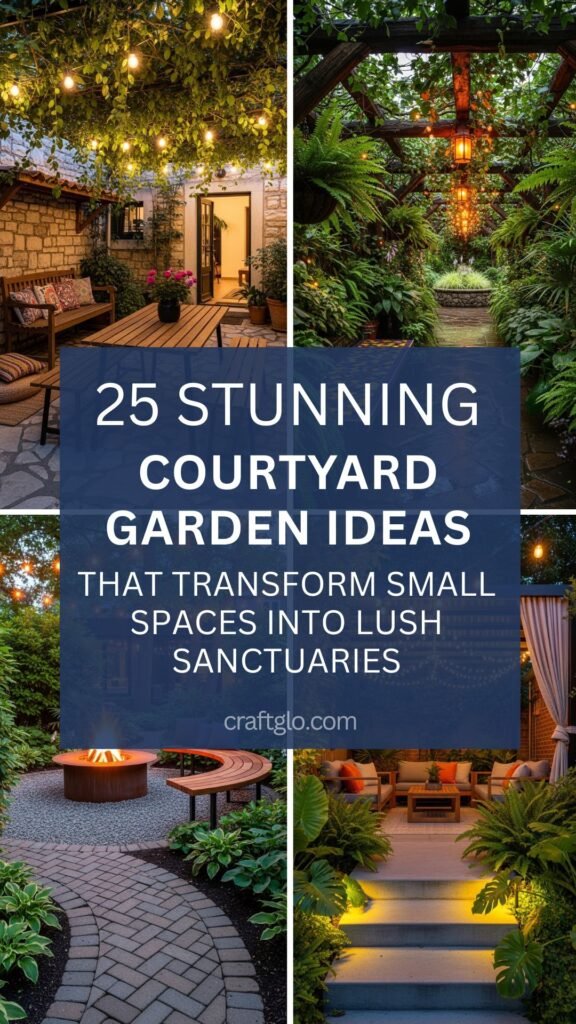
Creating a private outdoor oasis in a limited footprint is not just about saving space, it is about curating a lifestyle. You are likely here because your small outdoor area feels cramped, overlooked, or uninspired. You want a retreat that feels expansive, private, and lush without requiring a professional landscaping crew. The trend for 2026 is moving away from sterile, high-maintenance lawns toward functional “outdoor rooms” that serve as extensions of your living space.
This guide delivers actionable, high-impact courtyard garden ideas that solve common problems like lack of privacy, poor lighting, and limited square footage. Whether you have a concrete slab or a tiny patch of earth, these design strategies will help you maximize every inch. We will explore vertical gardening, clever zoning techniques, and the latest “foodscaping” trends to turn your courtyard into a productive and beautiful haven.
Key Takeaways
- Verticality is Key: Utilizing walls and fences for planting doubles your growing area without sacrificing floor space.
- Zoning Creates Illusion: Dividing a small courtyard into distinct “rooms” (dining, lounging) makes the space feel larger.
- Indoor-Outdoor Flow: Matching your interior flooring with outdoor paving creates a seamless transition that visually expands the home.
- Lighting Sets the Mood: Layered lighting (overhead, pathway, and accent) transforms a dark pit into a cozy evening retreat.
- Multi-Functionality: Furniture with built-in storage and foldable designs are essential for maximizing utility in tight quarters.
Table of Contents
- Vertical Living Walls
- Bento Box Zoning
- Seamless Indoor-Outdoor Flooring
- Compact Fire Pits
- Mirror Illusions
- Edible Foodscaping
- Bistro Dining Sets
- Statement Water Features
- Festive String Lighting
- Large Format Paving
- Pollinator-Friendly Borders
- Gravel and Xeriscaping
- Pet-Friendly Bark-itecture
- Climbing Hydrangeas and Vines
- Cozy Hammock Corners
- Architectural Pots
- Minimalist Zen Gardens
- Sunken Seating Areas
- Painted Feature Walls
- Pergolas with Retractable Shades
- Herb Spiral Gardens
- Multi-Functional Storage Benches
- Outdoor Rugs and Textiles
- Portable Pizza Ovens
- Ferns for Shady Corners
- Popular Asked Questions
- Conclusion
Vertical Living Walls
When floor space is at a premium, the only way to grow is up. Vertical living walls transform sterile brick or wood fences into lush tapestries of greenery. This design principle draws the eye upward, making a confined courtyard feel taller and more open. You can achieve this look using modular pocket planters, rigid frames, or simple wall-mounted pots. The texture of ferns, grasses, and trailing vines softens hard architectural lines and absorbs sound, which is crucial in urban environments.
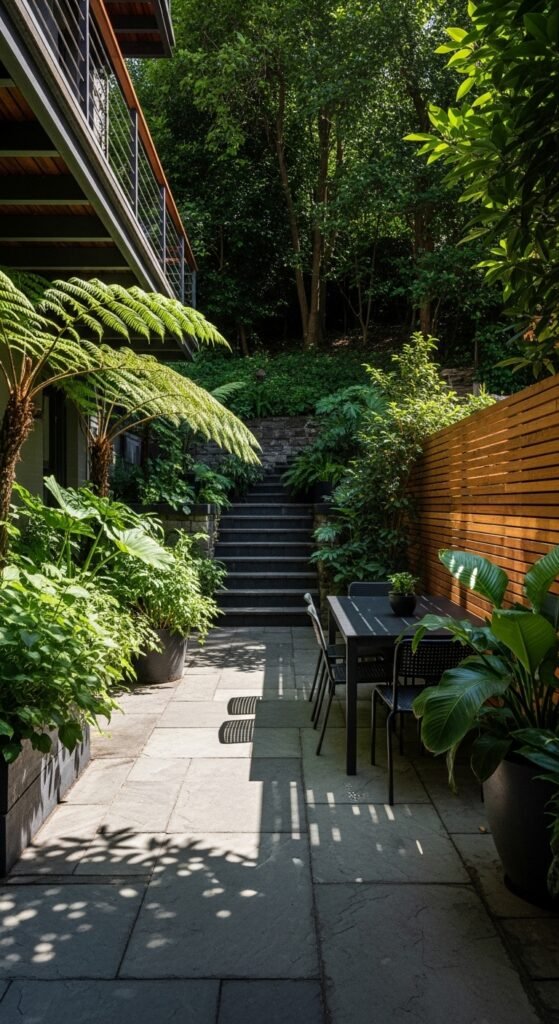
For implementation, ensure your wall receives adequate sunlight for the plants you choose. Succulents work well in sunny spots, while ferns thrive in the shade. An automated drip irrigation system is highly recommended for living walls, as the small soil volume dries out quickly. This feature acts as a stunning focal point that feels like a piece of living art.
Pro Tip: Use felt-based pocket systems for better root aeration and drainage compared to plastic containers.
Bento Box Zoning
The “Bento Box” trend creates distinct functional zones within a small area, much like the compartments of a Japanese lunchbox. Instead of one muddled space, you carve out specific corners for dining, lounging, and gardening. This psychological trick makes the garden feel larger because it serves multiple purposes. You can define these zones using different flooring materials, such as decking for the lounge area and gravel for the dining spot, or by using large planters as room dividers.
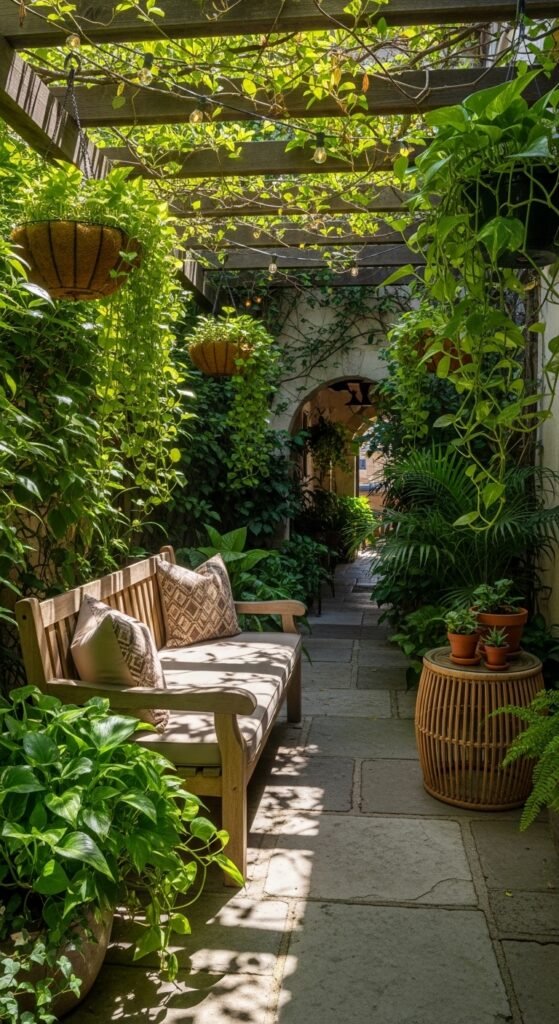
Visual analysis of this style reveals a clean, organized aesthetic that reduces clutter. It prevents the “furniture graveyard” look where chairs and tables are pushed against walls aimlessly. By anchoring furniture in the center of these micro-zones, you improve flow and circulation.
Pro Tip: Use an outdoor rug to visually anchor the “living room” zone and separate it from the “dining room” zone.
Seamless Indoor-Outdoor Flooring
Blurring the boundary between inside and outside is a powerful way to expand your home visually. By using the same flooring material (or a very similar color tone) for your interior living space and your exterior courtyard, you create a seamless threshold. When the doors are open, the courtyard reads as a continuation of the room rather than a separate entity. Large format porcelain tiles are excellent for this as many manufacturers offer indoor and outdoor versions with different slip ratings.
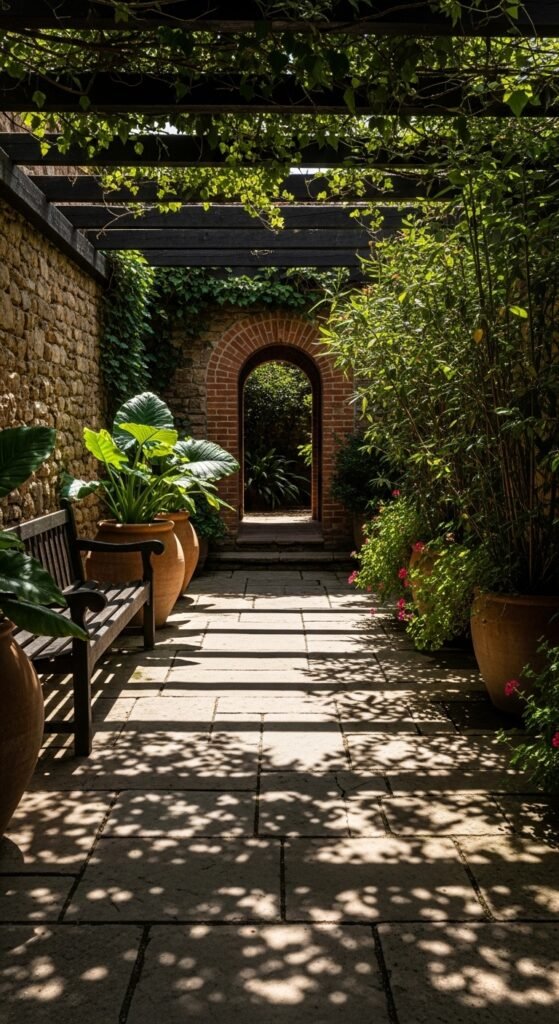
This design choice promotes a sense of luxury and flow. It works particularly well with bi-fold or sliding glass doors. The continuity of texture and color tricks the brain into perceiving the total square footage as one massive entertaining area.
Pro Tip: Ensure the outdoor tiles have an anti-slip rating of R11 or higher for safety during wet weather.
Compact Fire Pits
A fire feature instantly changes the atmosphere of a courtyard, turning it into a year-round destination. In small spaces, massive stone fireplaces can be overwhelming. Instead, opt for compact, portable fire bowls or bio-ethanol tables. These provide the warmth and ambient flicker of a flame without the smoke or the need for a permanent chimney structure. The contrast of the warm fire light against the cool evening blues creates a cozy, intimate vibe perfect for conversation.
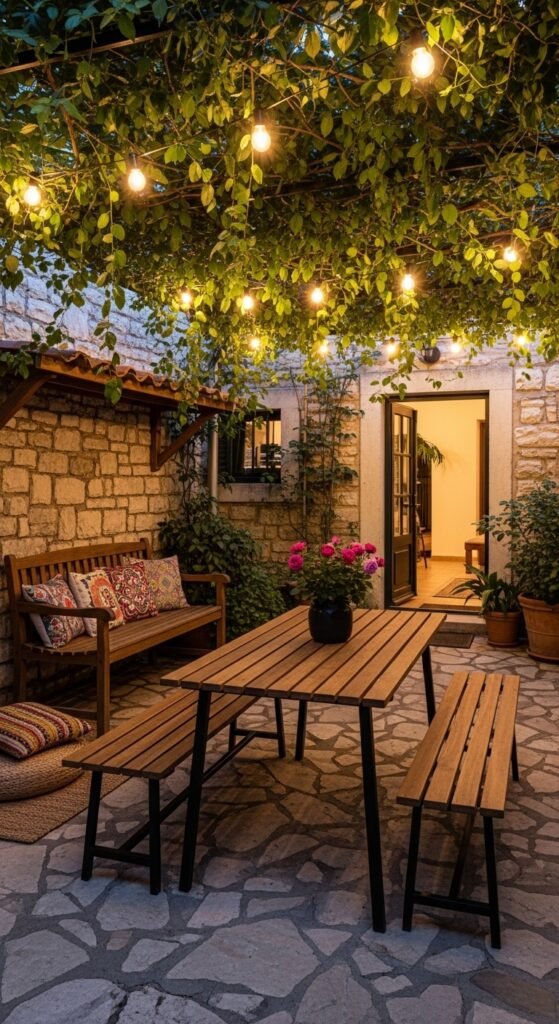
From a design perspective, a round fire pit softens the angular lines of a square courtyard. It acts as a natural gathering point, drawing people into the center of the space. Bio-ethanol models are particularly good for renters or urban dwellers as they require no gas line and produce no ash.
Pro Tip: Look for a fire pit that comes with a wooden lid so it can double as a coffee table when not in use.
Save this idea to your Pinterest.
Mirror Illusions
Mirrors are the oldest trick in the interior design book for a reason, and they work just as well outdoors. A strategically placed weather-resistant mirror can double the perceived depth of a courtyard. By reflecting greenery or a beautiful architectural detail, the mirror acts as a “window” into an imaginary garden beyond. This is especially effective on dark, windowless walls that otherwise feel oppressive.
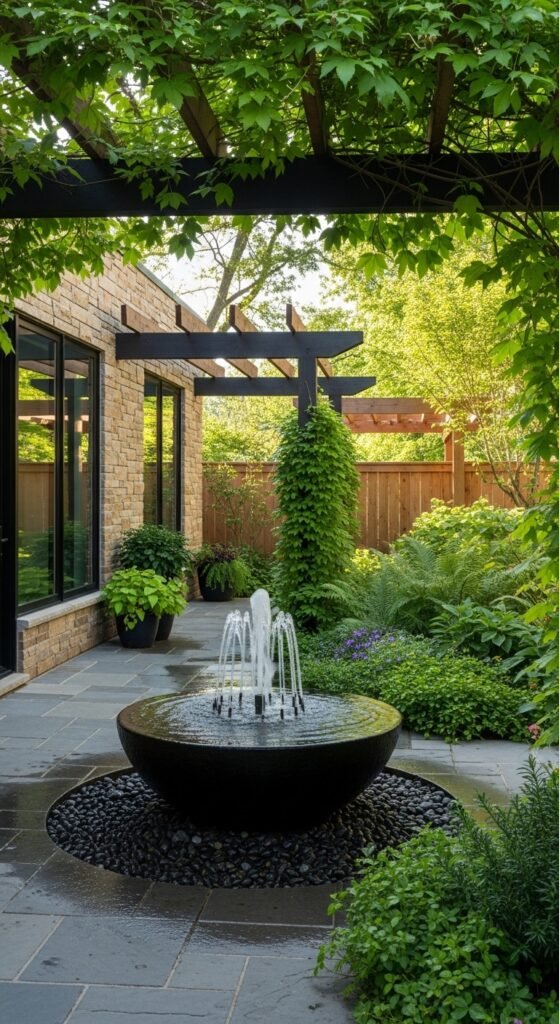
To implement this safely, choose acrylic mirrors or specially treated glass designed for outdoor use to prevent desilvering. Soften the edges of the mirror with climbing plants like ivy or jasmine to integrate it into the landscape. This prevents it from looking like a misplaced bathroom fixture and enhances the “secret garden” effect.
Pro Tip: Position the mirror so it reflects plants, not the drainpipe or your neighbor’s wall.
Comparison Table: Paving Materials
| Material | Pros | Cons | Best For |
|---|---|---|---|
| Porcelain | Stain-resistant, modern look, low maintenance. | Can be slippery if not textured, higher cost. | Contemporary, seamless indoor-outdoor designs. |
| Natural Stone | Unique textures, ages beautifully, timeless. | Porous (needs sealing), uneven surface. | Rustic, cottage, or traditional courtyards. |
| Gravel | Excellent drainage, budget-friendly, audible crunch. | Migrates easily, hard to clean leaves. | Zen gardens, rental properties, pathways. |
| Concrete | Industrial chic, durable, versatile shapes. | Can crack over time, absorbs heat. | Minimalist, urban, and industrial styles. |
Edible Foodscaping
The 2026 trend of “Foodscaping” merges aesthetics with agriculture. In a courtyard, you do not have space for rows of corn, but you can integrate beautiful edible plants into your ornamental borders. Swiss chard with its bright red stems, purple kale, and artichokes are structurally stunning and delicious. Potager-style gardening uses geometric layouts to make vegetable growing look intentional and designed rather than messy.
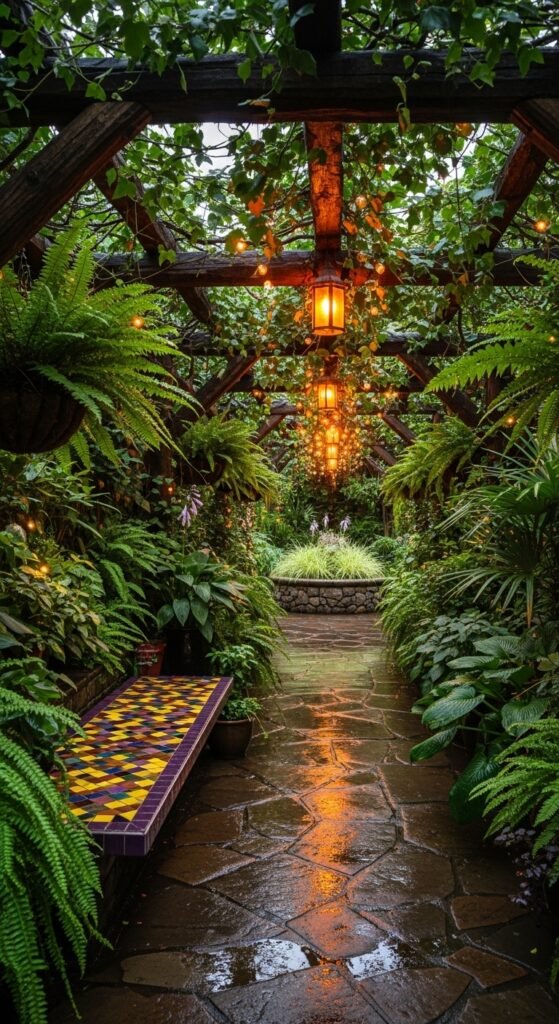
Replace standard box hedges with rosemary or lavender. Train thornless blackberries up a trellis instead of ivy. This approach maximizes utility without compromising on beauty. The lush textures of vegetable foliage provide a verdant backdrop, and the harvest offers a direct reward for your gardening efforts.
Pro Tip: Mix marigolds and nasturtiums with your edibles to deter pests and add pops of vibrant color.
Bistro Dining Sets
Large dining tables can dominate a small courtyard, leaving no room for movement. A classic French bistro set, typically consisting of a small round table and two chairs, is the perfect solution. These sets are visually lightweight and often foldable. The round shape is easier to navigate around in tight spaces than square corners.
Aesthetically, bistro sets add a touch of European charm and romance. Choose materials like powder-coated steel in bright colors for a modern pop, or wrought iron for a traditional look. This setup encourages intimate breakfasts or evening drinks, proving that you do not need a banquet table to enjoy alfresco dining.
Pro Tip: Choose a table with a pedestal base rather than four legs to maximize legroom and visual space.
Statement Water Features
The sound of trickling water is a powerful tool for masking urban noise pollution like traffic or air conditioning units. A statement water feature serves as both an auditory shield and a visual anchor. In a courtyard, avoid large ponds. Instead, opt for a self-contained wall fountain, a sleek water blade, or a bubbling urn. These recirculating systems are easy to install and require minimal maintenance.
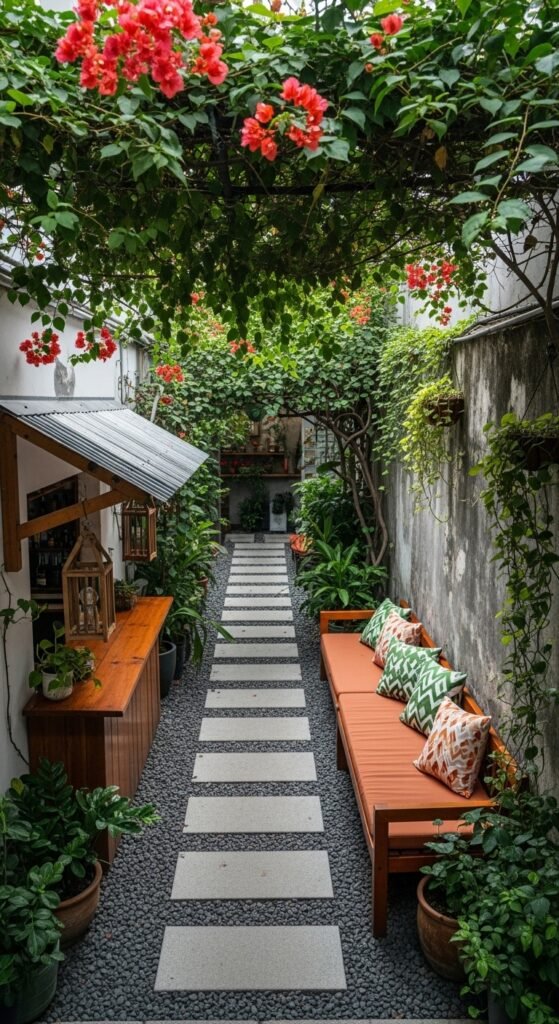
The reflection of water adds movement and light to the garden. Modern designs often feature dark stone or steel, which creates a sharp contrast with green foliage. The presence of water also cools the air slightly through evaporation, creating a more comfortable microclimate in hot enclosed spaces.
Pro Tip: Add a timer to your pump so the water runs only when you are likely to be home to enjoy it.
Festive String Lighting
Lighting is often an afterthought, but in a courtyard, it is essential for extending the usability of the space. Overhead string lights (often called bistro lights or festoon lights) create a “ceiling” of warm glow that makes the space feel intimate and enclosed in a cozy way. This zigzag pattern overhead draws the eye up and adds a festive, cafe-like atmosphere.
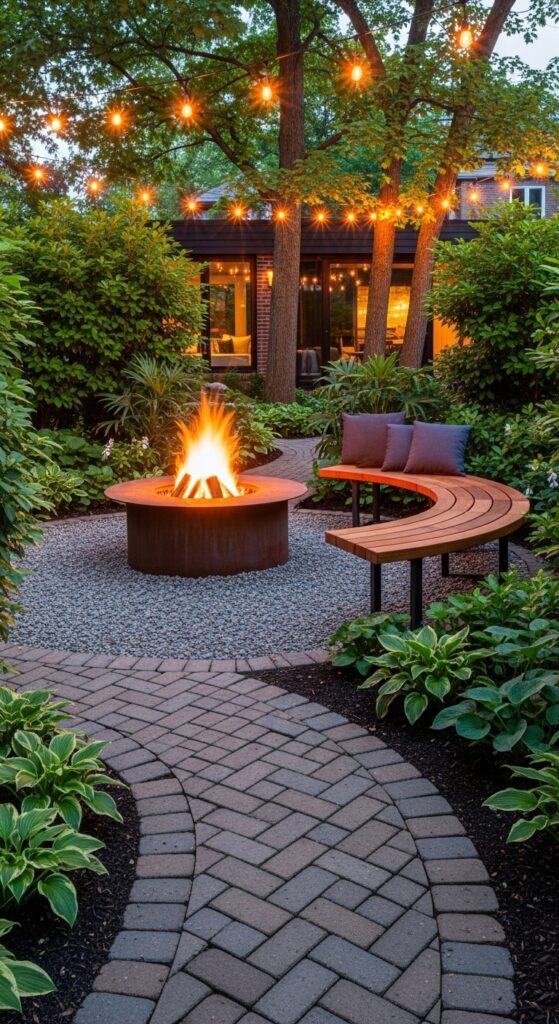
Avoid cool white LEDs which can feel clinical; opt for warm white (2700K) bulbs. Solar-powered options are great for rentals, but hardwired versions offer more consistent brightness. Draping them from the house to a fence or pergola post softens the hard edges of the architecture and makes the garden inviting even after sunset.
Pro Tip: Use a dimmer switch to control the ambiance, taking the lighting from functional to romantic instantly.
Large Format Paving
It might seem counterintuitive, but using large paving slabs in a small space actually makes it look bigger. Small pavers or busy patterns create many grout lines, which can make the floor look cluttered and busy. Large format slabs (e.g., 600x900mm or larger) reduce visual noise and create a calm, expansive surface.
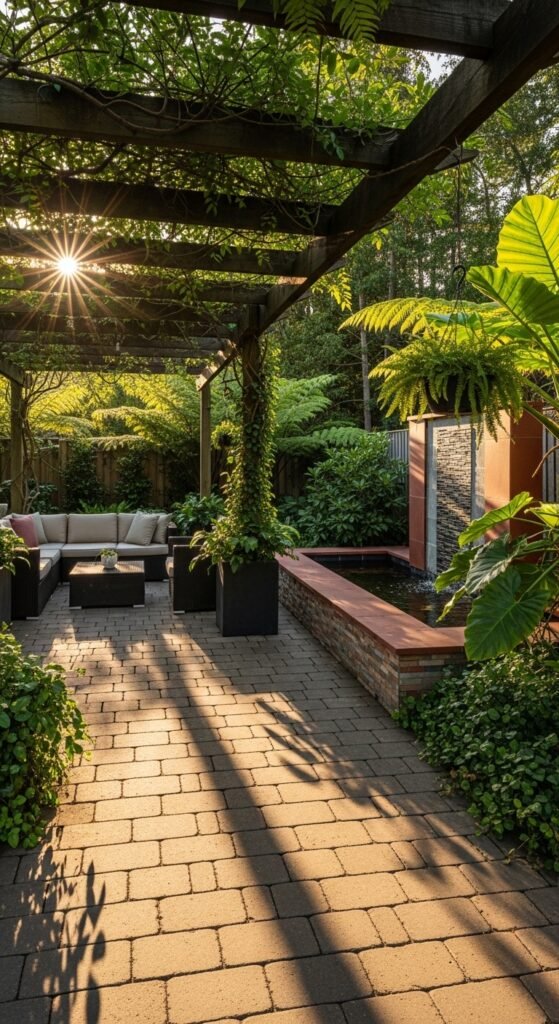
Light-colored stones like sandstone, limestone, or beige porcelain reflect light, brightening up shady courtyards. Laying rectangular slabs horizontally across the narrowest part of the courtyard can also visually widen the space. The clean lines of large pavers suit modern and minimalist designs perfectly.
Pro Tip: Use a matching grout color to further minimize the grid pattern and enhance the feeling of a continuous surface.
Save this idea to your Pinterest.
Pollinator-Friendly Borders
Even a small courtyard can support local biodiversity. Pollinator-friendly borders prioritize plants rich in nectar and pollen, such as salvia, lavender, verbena bonariensis, and echinacea. These plants often have a wilder, more romantic aesthetic that contrasts beautifully with hard paving. Seeing bees and butterflies visit your garden adds a layer of life and movement that static decor cannot match.
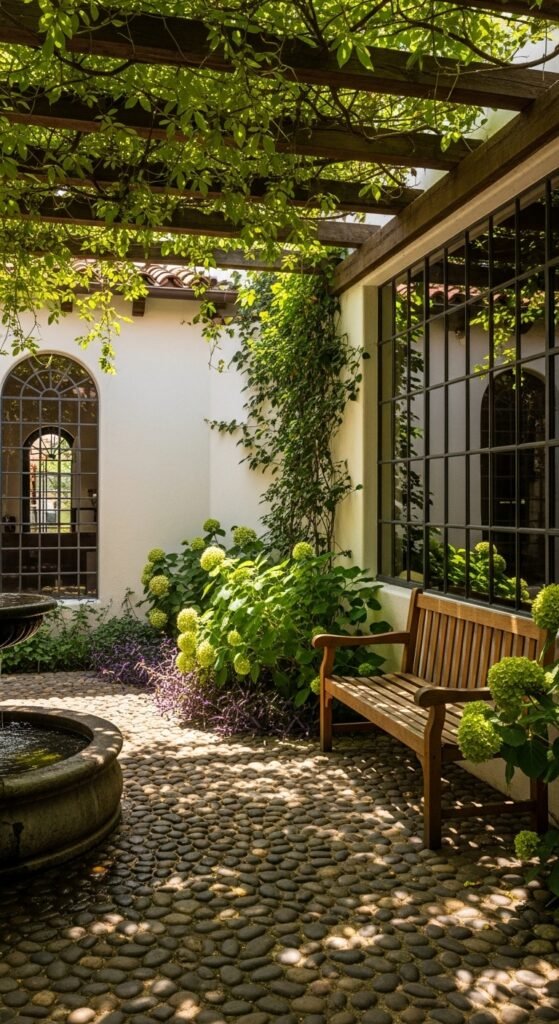
Design-wise, use the “thriller, filler, spiller” technique in your borders or pots. Tall, airy plants like verbena allow you to see through them, maintaining a sense of space while providing height. This approach aligns with the eco-conscious trends dominating 2026.
Pro Tip: Plant in groups of three or five to create bold blocks of color that are easier for pollinators to spot.
Gravel and Xeriscaping
For a low-maintenance and budget-friendly flooring option, gravel is unbeatable. It provides a satisfying auditory crunch underfoot and allows water to drain naturally, preventing puddles. Xeriscaping involves designing landscapes to reduce or eliminate the need for irrigation. By combining gravel with drought-tolerant plants like agaves, ornamental grasses, and Mediterranean herbs, you create a chic, dry garden that looks good year-round with little effort.
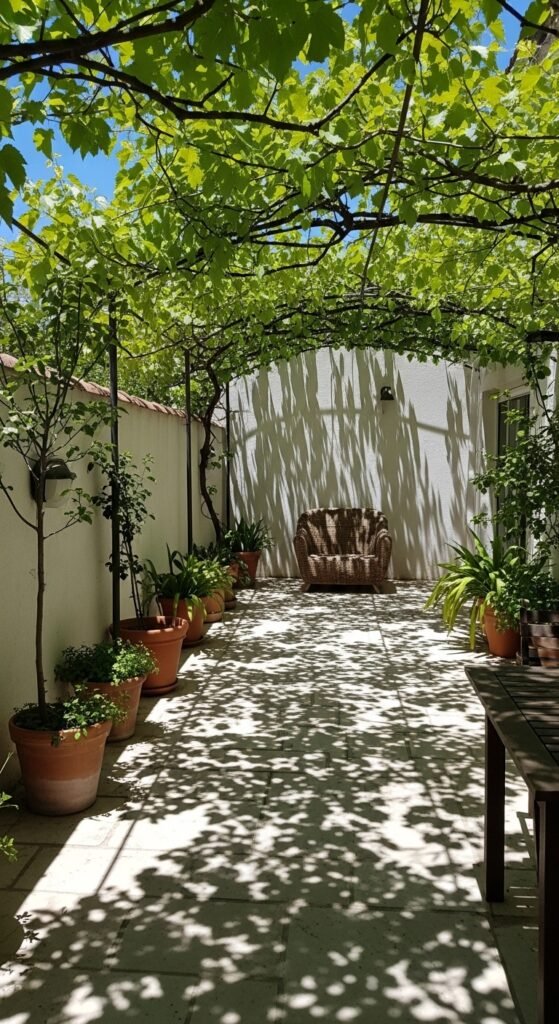
Gravel comes in various colors and sizes. Honey-colored pea gravel gives a warm, Cotswold cottage feel, while grey slate chippings look modern and sleek. This texture contrasts well with smooth planters and soft foliage.
Pro Tip: Lay a weed membrane beneath the gravel to keep maintenance to an absolute minimum.
Pet-Friendly Bark-itecture
“Bark-itecture” is the design trend of creating stylish, functional spaces for pets. In a small courtyard, a dog can destroy a lawn in days. Instead, designate a specific “potty patch” using permeable artificial grass or pea gravel that can be easily washed down. Incorporate raised water bowls into the hardscaping or use a sturdy stone birdbath at a low height.
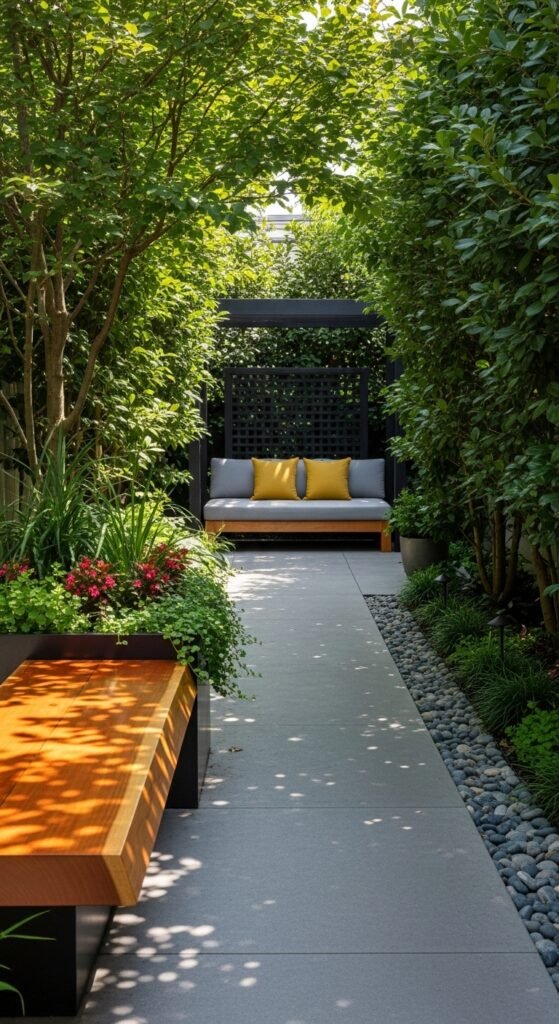
Select robust plants that can withstand a wagging tail, such as ornamental grasses (Miscanthus) or woody shrubs. Avoid toxic plants like lilies or azaleas. A raised platform or a custom-built dog house that matches your garden furniture integrates your pet’s needs without sacrificing style.
Pro Tip: Create a “patrol path” around the perimeter behind your planters so your dog can guard the fence without trampling your flowers.
Climbing Hydrangeas and Vines
Softening vertical surfaces is crucial in a walled garden. Climbing Hydrangea (Hydrangea anomala petiolaris) is a shade-tolerant superstar that clings to walls without needing a trellis, offering lush green foliage and beautiful white lace-cap flowers. Other excellent vines include Star Jasmine for scent or Boston Ivy for incredible autumn color.
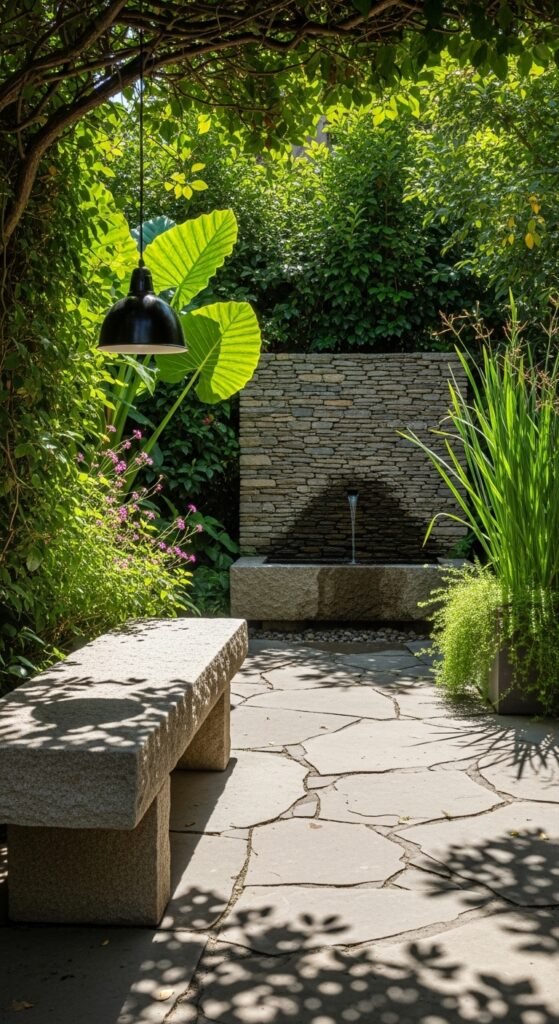
These plants blur the boundaries of the courtyard, making the walls disappear behind a veil of green. This “green box” effect is incredibly soothing and cools the ambient temperature. Regular pruning is required to keep them from taking over, but the trade-off is a romantic, established feel.
Pro Tip: For a faster result, buy a semi-mature climber and fan the stems out horizontally to cover more width quickly.
Cozy Hammock Corners
A hammock instantly signals relaxation. In a courtyard, you might not have two perfect trees, but you can use a hammock stand or install heavy-duty wall hooks into brickwork (consult a pro for structural integrity). A hammock takes up visual space only when in use; many cloth versions can be unhooked and stored away in seconds, freeing up the area for entertaining.
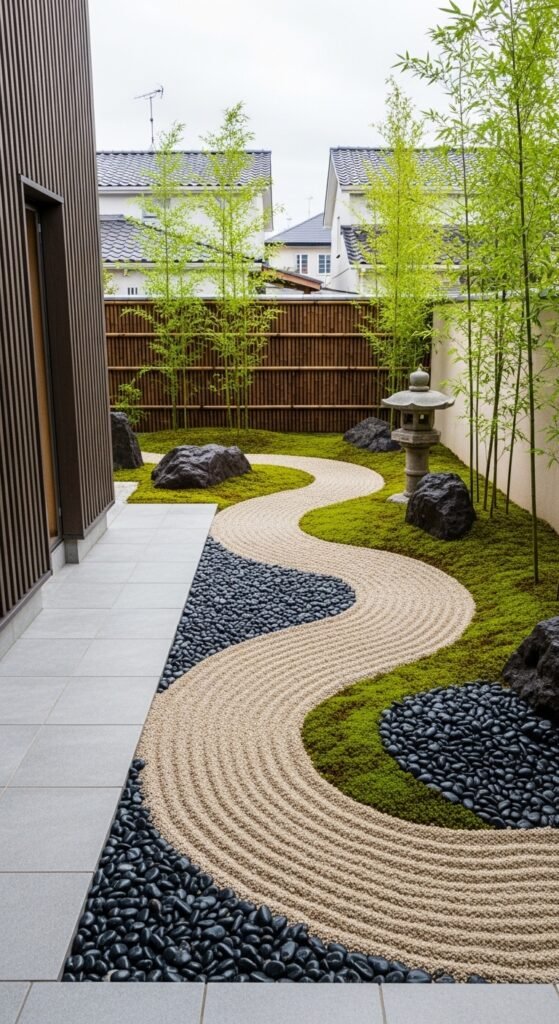
Style this corner with a small side table for a drink and a potted palm to create a tropical reading nook. The swaying motion is deeply calming, offering a unique way to enjoy the sky view in a private enclosure.
Pro Tip: Choose a hammock with a spreader bar if you want it to look open and inviting, or a traditional gathered end for a more cocoon-like experience.
“Get The Look” : Minimalist Courtyard
- Flooring: Large format grey porcelain tiles (600x600mm).
- Furniture: Teak bench with clean lines and grey weather-resistant cushions.
- Planters: Matte black fiber-clay tall square planters.
- Plants: Bamboo (Fargesia), Snake Plants, and White Hydrangeas.
- Lighting: Warm white LED up-lighters for the bamboo.
- Accessory: A simple, round concrete fire bowl.
Architectural Pots
In a courtyard where ground planting space is limited, pots are your best friends. However, a clutter of small, mismatched pots can look messy. The secret is to go big. Oversized, architectural pots serve as sculptural elements. A trio of large pots in varying heights but the same material creates a cohesive, high-end look.
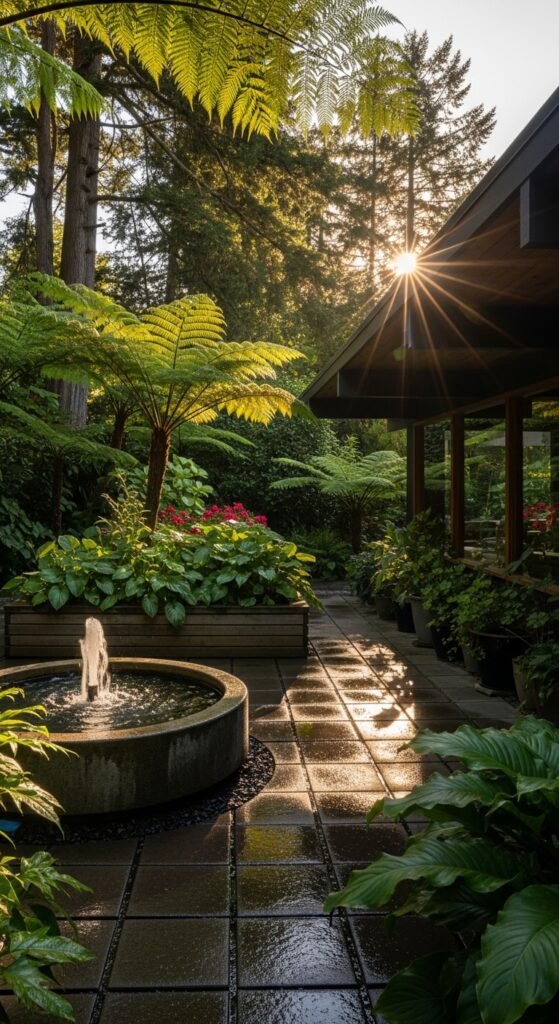
Materials like Corten steel (which rusts to a beautiful orange), fiber clay, or glazed ceramic add texture. Place them at the end of a sightline to draw the eye, or use them to flank a doorway. Large pots also hold more soil, meaning they retain moisture longer and support healthier, larger plants.
Pro Tip: Place upside-down plastic nursery pots at the bottom of very large planters to reduce the amount of potting soil needed and keep the weight down.
Minimalist Zen Gardens
The Zen garden philosophy is perfect for small courtyards because it emphasizes quality over quantity and negative space. A simple arrangement of rocks, raked gravel, and a few carefully pruned maples or moss mounds creates a serene sanctuary. This style relies on restraint.
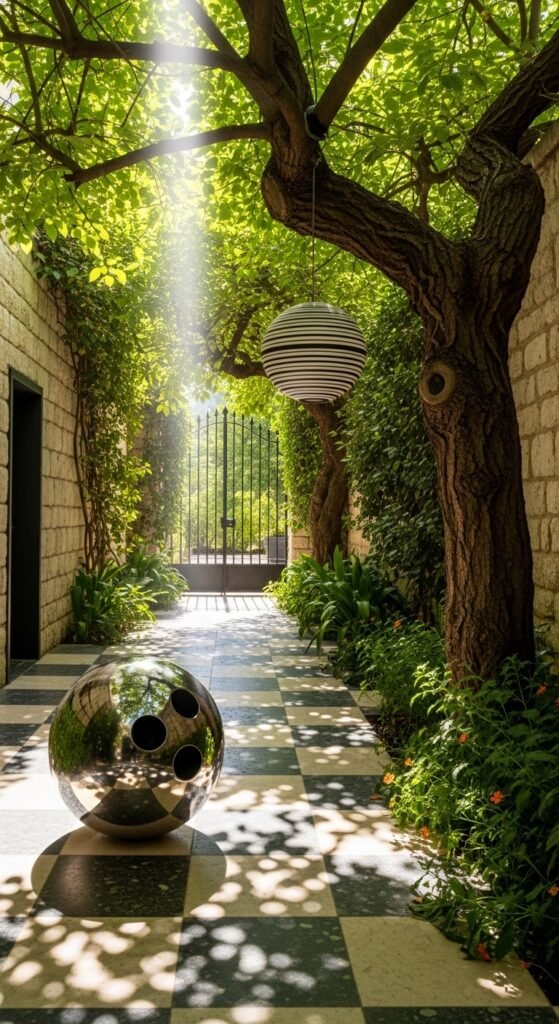
Using a limited color palette of greens, greys, and stones reduces visual noise, promoting mental clarity. A small bamboo water spout (Shishi-odoshi) adds a rhythmic sound. This low-maintenance design is ideal for busy professionals who want a calming view from their window without the chore of weeding borders.
Pro Tip: Use an odd number of rocks (3, 5, or 7) and bury them slightly so they look like they are emerging from the earth, not just sitting on top.
Save this idea to your Pinterest.
Sunken Seating Areas
Creating a change in level adds drama and defines space without walls. A sunken seating area, or “conversation pit,” feels inherently cozy and protected. By lowering the seating, you increase the sense of privacy from neighbors. The surrounding retaining walls can double as backrests or planting beds, immersing you in the greenery.
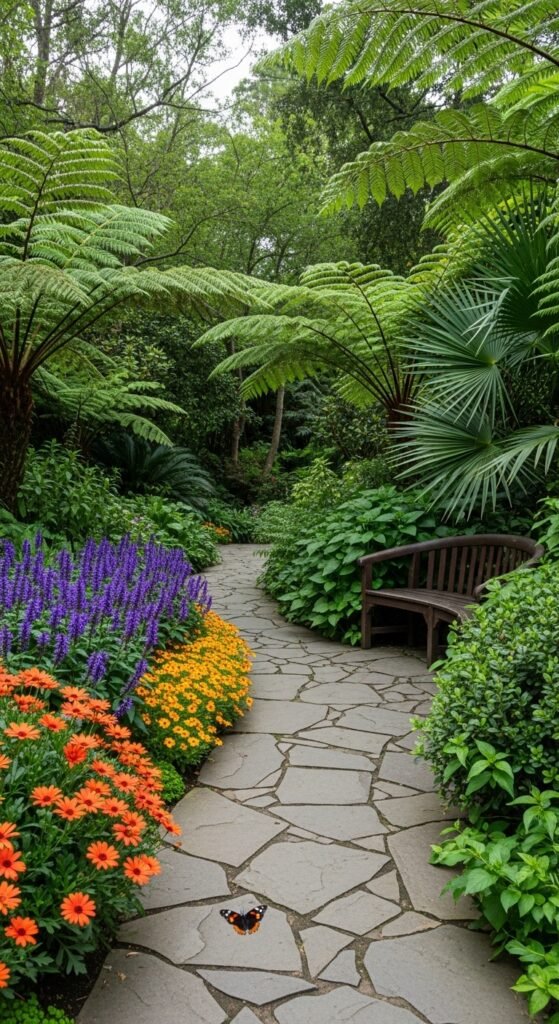
This requires some structural work but yields a high return on investment in terms of “wow” factor. Use weather-resistant cushions and add a fire pit in the center for the ultimate lounge experience. It breaks up the monotony of a flat courtyard.
Pro Tip: Ensure adequate drainage is installed at the bottom of the pit to prevent it from becoming a pond during heavy rain.
Painted Feature Walls
Paint is the most cost-effective way to transform a courtyard. A dark wall (charcoal, navy, or forest green) makes green foliage pop and gives the illusion of depth, as dark colors tend to recede visually. Alternatively, a warm terracotta or mustard yellow can bring a Mediterranean or Mexican glow to a grey climate.
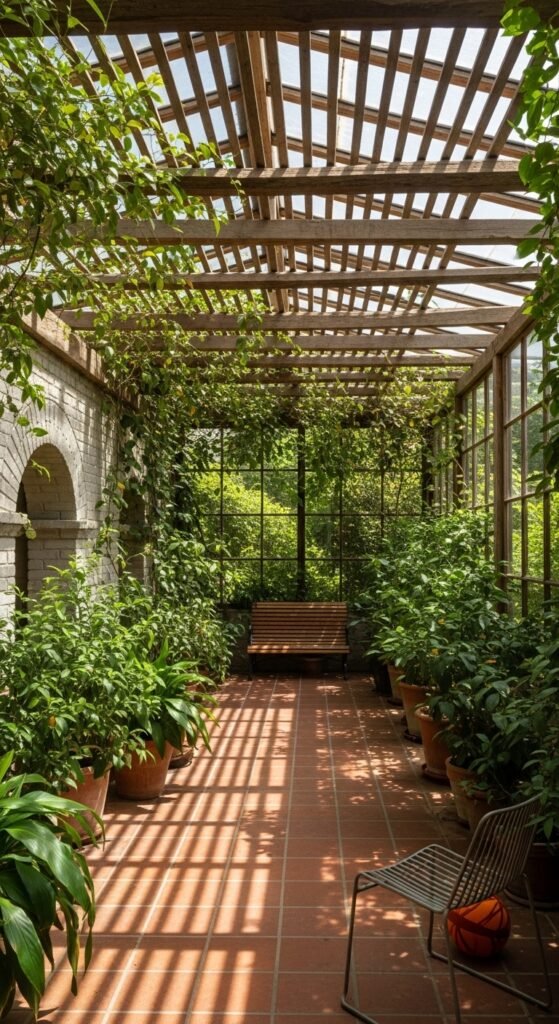
Do not just paint the fence; consider rendering a brick wall and painting it for a smooth, modern gallery-like backdrop. This color block becomes the canvas for your plants and lighting, instantly modernizing a tired space.
Pro Tip: Use masonry paint specifically designed for exterior use to ensure longevity and weather resistance.
Pergolas with Retractable Shades
Courtyards can be heat traps in summer and damp corners in winter. A pergola with a retractable canopy gives you control over the elements. You can pull the shade across for lunch during the midday sun and retract it in the evening to stargaze.
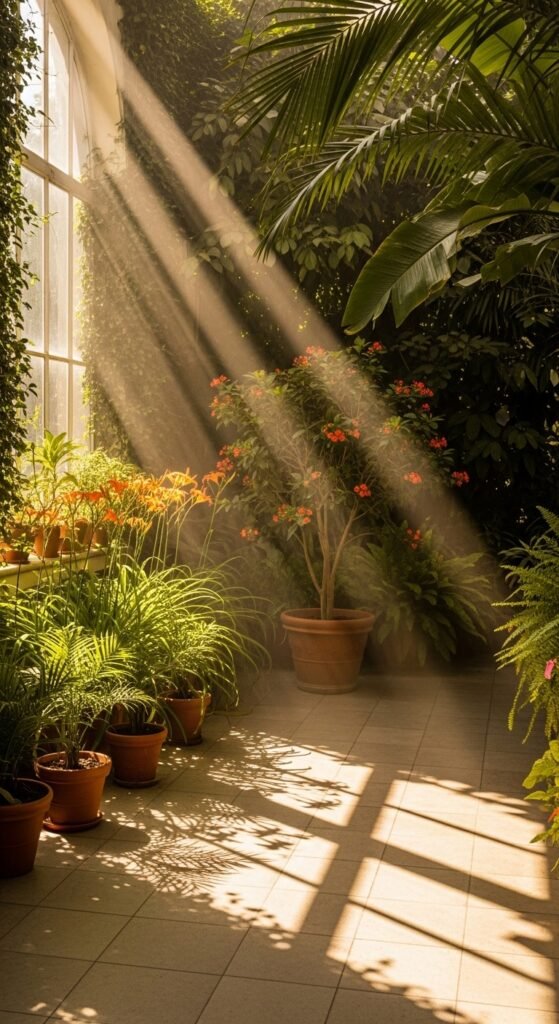
Aluminum pergolas with adjustable louvers are a modern, durable option. They provide architectural structure and a frame for hanging lights or heaters. This creates a true “outdoor room” feeling, extending the hours you can comfortably spend outside.
Pro Tip: Train a grapevine or wisteria up the posts to soften the metal or wood structure over time.
Herb Spiral Gardens
If you lack horizontal space for a veggie patch, build a herb spiral. This permaculture design stacks stones or bricks in a spiral ramp shape, creating a mound. It offers different microclimates: sun-loving Mediterranean herbs like rosemary go at the top (dry and sunny), while moisture-loving herbs like mint and parsley go at the bottom.
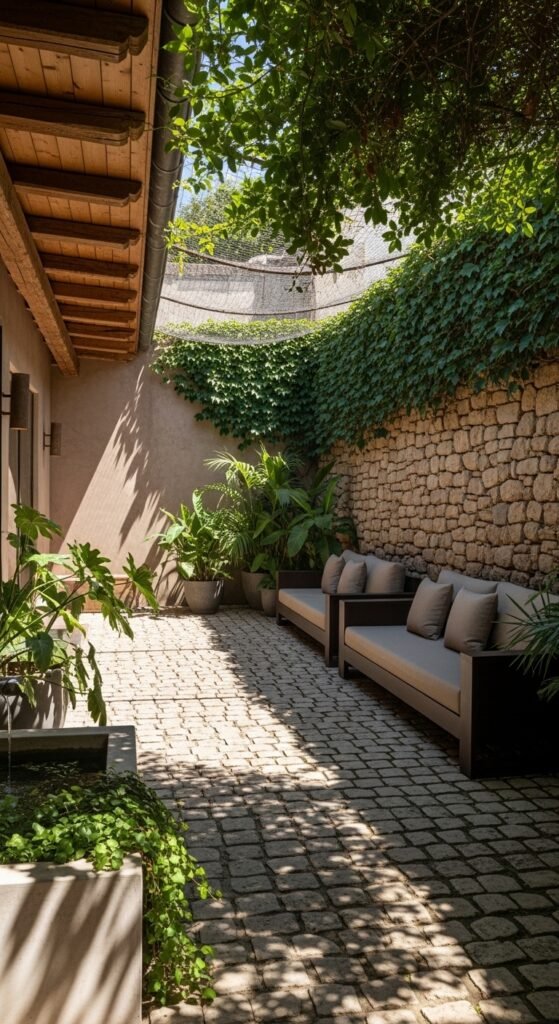
It creates a vertical focal point and maximizes planting surface area in a small footprint (often just 1 meter wide). Plus, the stone retains heat, extending the growing season. It is functional, sculptural, and a great DIY project.
Pro Tip: Place the spiral near your kitchen door for easy access while cooking.
Multi-Functional Storage Benches
Clutter is the enemy of small spaces. Garden tools, cushions, and toys need a home. Built-in bench seating with a lift-up lid provides massive storage capacity while offering permanent seating. By pushing the bench against a wall or into a corner, you keep the center of the courtyard open.
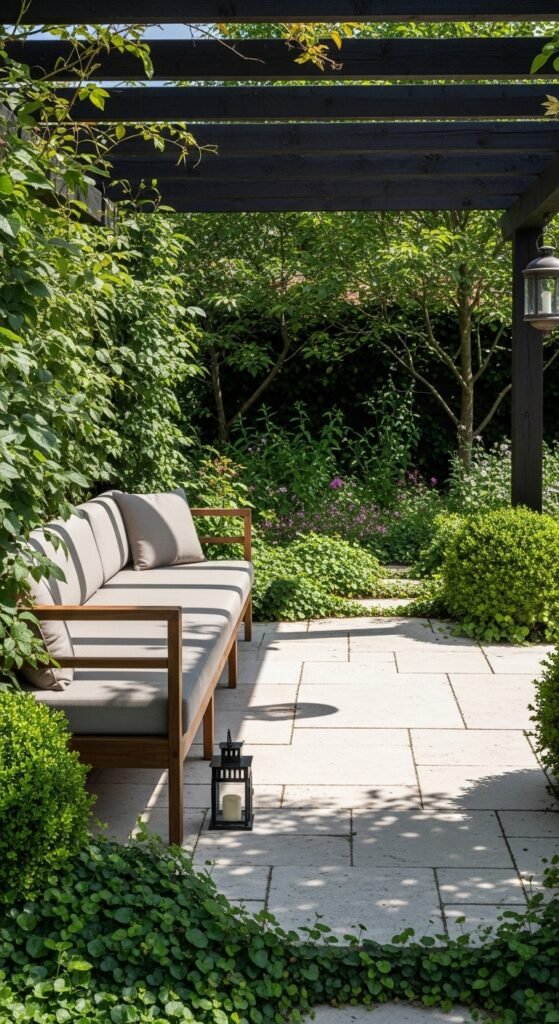
Construct the bench from hardwood like cedar or composite decking for durability. Top it with custom cushions for comfort. This eliminates the need for a separate, ugly plastic storage box and maximizes the utility of the furniture.
Pro Tip: Angling the backrest slightly (rather than 90 degrees vertical) makes the bench much more comfortable for lounging.
Outdoor Rugs and Textiles
Textiles bring the comfort of the living room outdoors. A weather-resistant outdoor rug covers ugly concrete or worn decking instantly. It anchors your furniture arrangement and adds color and pattern. Layer with outdoor cushions and throw blankets in coordinating colors.
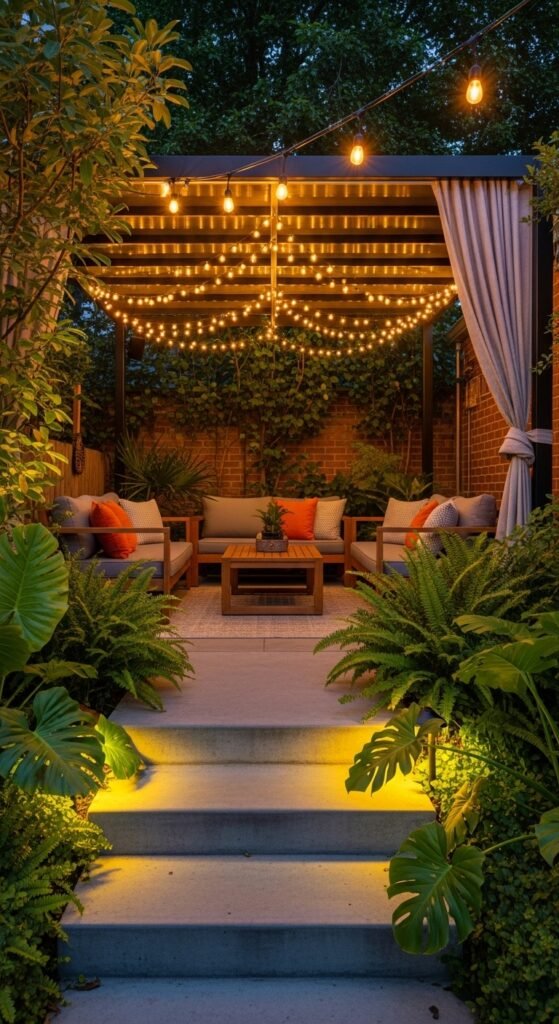
Look for rugs made from recycled plastic (polypropylene) which are mold-resistant and can be hosed down. This soft layer underfoot makes the space feel finished and designed, rather than just a collection of outdoor furniture.
Pro Tip: Roll up the rug and store it during prolonged periods of heavy rain to extend its lifespan.
Portable Pizza Ovens
Outdoor kitchens are trending, but in a courtyard, you likely don’t have space for a full build. A portable pizza oven (wood-fired or gas) serves as a fun, interactive centerpiece for entertaining. Placed on a sturdy table or a small prep station, it allows you to cook gourmet meals without a massive footprint.
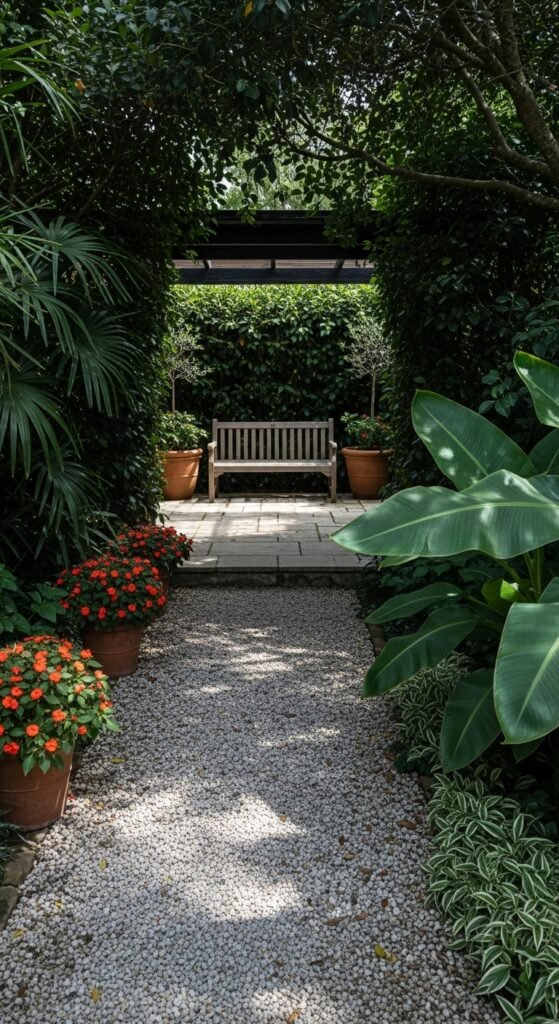
The smell of wood smoke and baking dough adds a sensory layer to your garden experience. Modern units are sleek and stylish, often becoming a conversation starter.
Pro Tip: Create a “pizza station” with a folding table nearby to hold toppings and peels, which can be packed away after the party.
Ferns for Shady Corners
Many courtyards suffer from deep shade due to surrounding buildings. Instead of fighting it, embrace a woodland vibe. Ferns are the kings of shade. Mix varieties like the glossy Hart’s Tongue Fern, the delicate Maidenhair Fern, and the dramatic Tree Fern (Dicksonia antarctica).
Combine them with hostas and heucheras for foliage contrast. This lush, green-on-green palette is incredibly calming and cooling. It turns a dark, gloomy corner into a verdant, mysterious grotto.
Pro Tip: Mulch heavily with leaf mold or bark chips to retain the moisture that ferns love.
Popular Asked Questions
How do I make my small courtyard garden look bigger?
To make a small courtyard feel larger, use large format paving slabs to reduce visual clutter. Install a large mirror on a wall to create the illusion of depth. Blur the boundaries by painting fences a dark color (like charcoal or black), which helps them visually recede behind green plants. Finally, keep the floor clear by using vertical gardening and wall-mounted furniture.
What are the best plants for a shady courtyard?
Most walled courtyards have shady spots. The best plants for these areas are those that naturally grow in woodlands. Ferns (like Hart’s Tongue or Tree Ferns), Hostas, Heucheras (for colorful leaves), and Fatsia Japonica (for a tropical look) thrive in low light. For climbers, Hydrangea petiolaris and Ivy are excellent choices that don’t need full sun.
How can I landscape a courtyard on a budget?
The most budget-friendly flooring is gravel, which is cheaper and easier to lay than stone or decking. Use upcycled containers (like old tins or wooden crates) for planters. Grow plants from seeds or propagate cuttings from friends instead of buying mature plants. Paint is also a cheap way to completely change the look of a wall or fence without replacing it.
What is the “Lemonading” garden trend?
“Lemonading” is a 2026 design trend that encourages embracing the imperfections of your garden. Instead of fighting nature (like scrubbing moss off pavers or weeding every crack), you work with it to create a relaxed, “wild” aesthetic. It is about finding beauty in the chaos and reducing maintenance stress, turning “lemons” (weeds/imperfections) into “lemonade” (a beautiful, natural look).
How do I create privacy in a courtyard that is overlooked?
If neighbors can see into your courtyard, create a “ceiling” using a pergola or shade sail. You can also plant pleached trees (trees trained on a frame to look like a hedge on stilts) which provide screening at head height without taking up ground space. Trellis panels with climbing plants added to the top of existing fences are another effective and legal way to increase boundary height.
Conclusion
Transforming a courtyard into a garden sanctuary is about clever use of space and playing with perception. By employing vertical elements, consistent flooring, and multi-functional furniture, you can turn even the smallest concrete pocket into a lush, inviting retreat. The trends for 2026 emphasize comfort, sustainability, and a touch of wildness, proving that you do not need a massive lawn to enjoy the benefits of outdoor living.
Which of these ideas will you try first to upgrade your outdoor space?
Follow us on Pinterest for more courtyard garden ideas inspiration.